
Skip to content
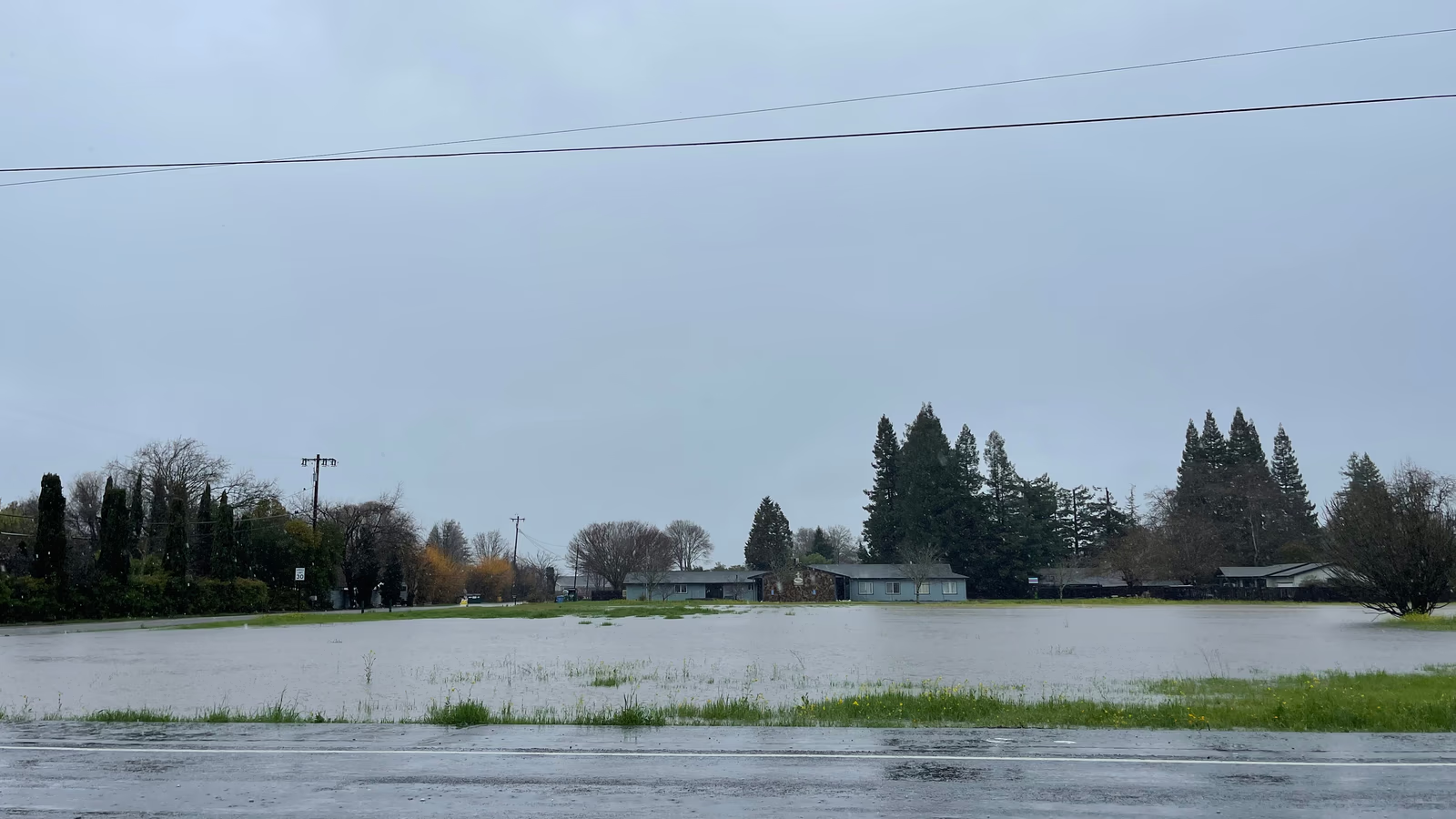
Saturated drain field area showing signs of septic system failure in a Miami-Dade residential yard
Repair 10 min read

7 Warning Signs Your Septic System Is Failing

A failing septic system rarely breaks down overnight. It sends distress signals for weeks or months before a catastrophic backup. Learn the 7 critical warning signs every Miami-Dade homeowner should recognize — and what to do about each one.

Published: March 7, 2026 Septic Tank Miami LLC

Why Early Detection Can Save You Thousands

Your septic system is a living, working piece of infrastructure buried beneath your yard. Like any critical system, it degrades gradually — and it almost always gives you warning signs before a full failure. The difference between a $400 pump-out and a $15,000+ drain field replacement often comes down to how quickly you recognize and act on those early signals.

In Miami-Dade County, the stakes are even higher. Our high water table, porous limestone geology, and proximity to sensitive ecosystems like Biscayne Bay mean that a failing septic system does not just threaten your property — it threatens the drinking water supply and marine environment for millions of people. DERM takes enforcement seriously, and property owners can face substantial fines for systems that are contaminating groundwater.

The good news is that most septic problems are fixable if caught early. A full tank just needs pumping. A clogged effluent filter just needs cleaning. A minor drain field issue may respond to resting and rejuvenation. But once solids have thoroughly saturated the drain field soil, your options narrow to the most expensive ones on the menu. Here are the seven signs you should never ignore.
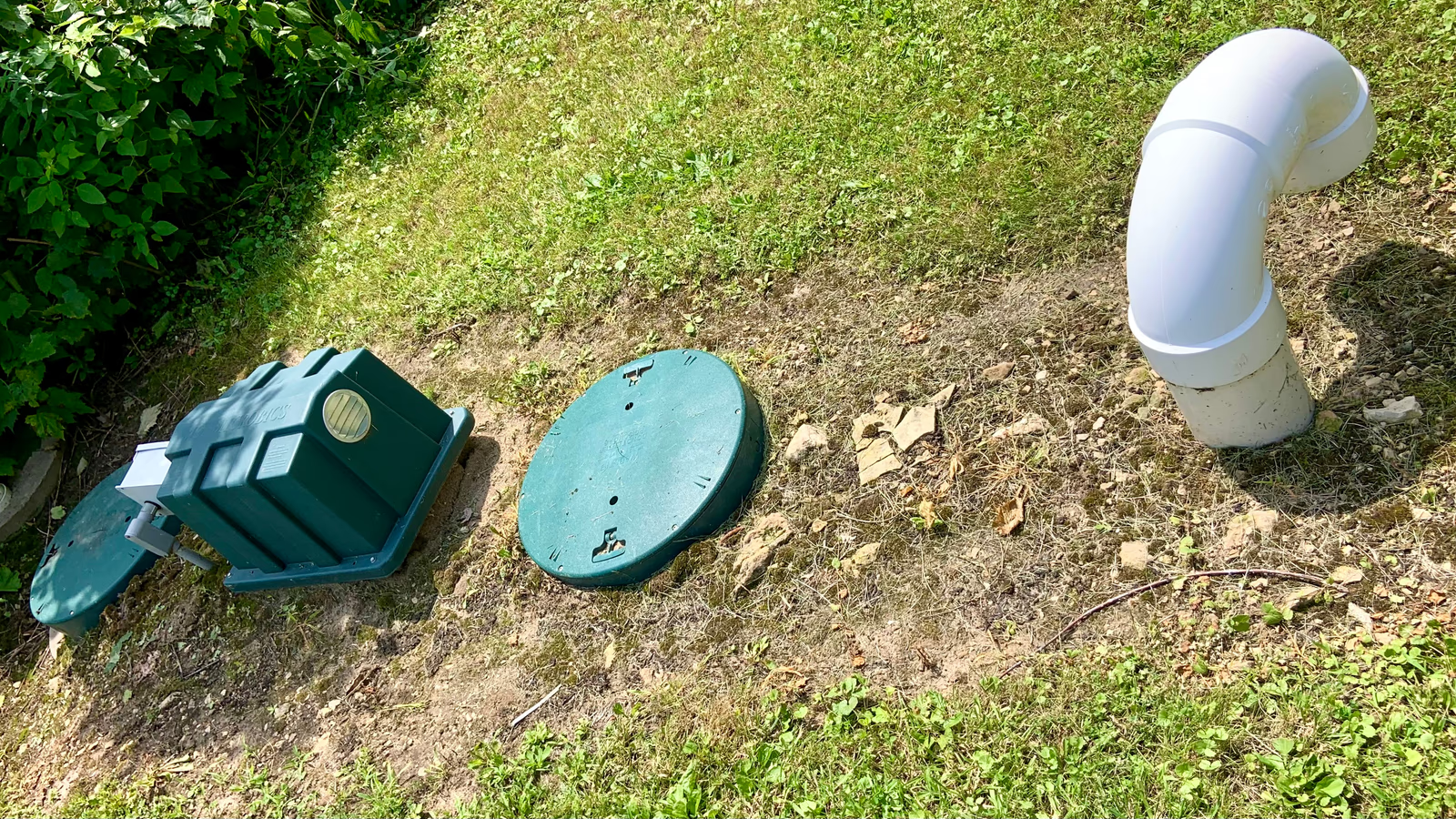
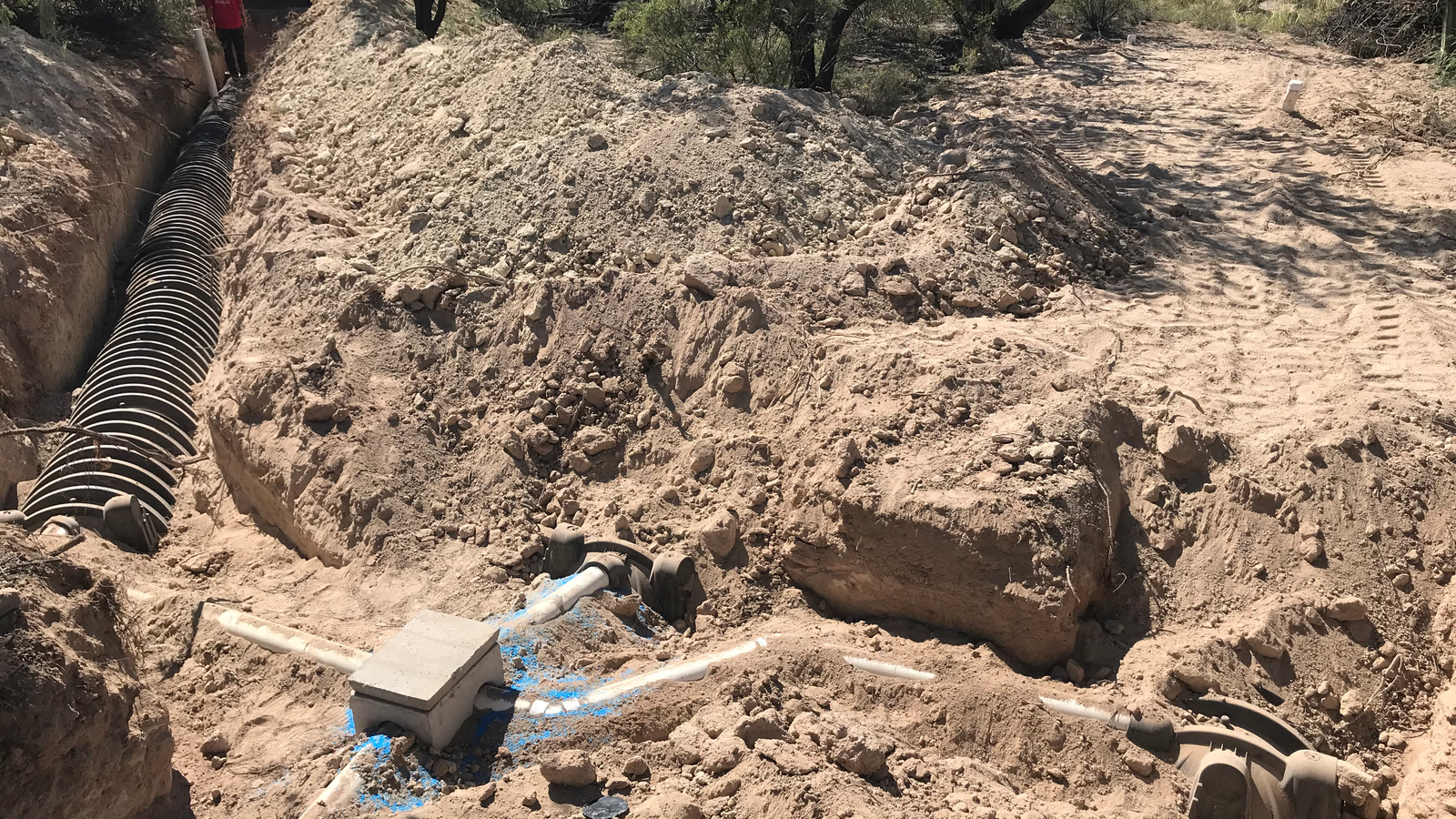
Sign 1: Slow Drains Throughout the House

A single slow drain — one bathroom sink, one shower — is usually a localized clog in the branch line. That is a plumbing issue, not a septic issue. But when multiple fixtures throughout the house are draining slowly at the same time, it points to a systemic problem downstream: either a full septic tank or a failing drain field that cannot absorb effluent fast enough.

Pay special attention to the lowest fixtures in your home — basement or ground-floor showers, bathtubs, and washing machine drains. These are the first to be affected because they are closest to the level of the septic tank. If the tank is full or the drain field is saturated, wastewater has nowhere to go and backs up into the lowest available opening.

In Miami-Dade, this symptom is sometimes misdiagnosed as a plumbing problem, leading homeowners to call a plumber instead of a septic professional. If your plumber clears the house drain and the problem returns within days, the issue is almost certainly in your septic system, not your plumbing.

Sign 2: Sewage Odors Near the Tank or Drain Field

A properly functioning septic system should be completely odorless at ground level. If you smell rotten eggs, sulfur, or raw sewage near your septic tank, around the drain field, or anywhere in your yard, something has gone wrong.

The most common causes of septic odors include:

  • Full or overdue tank: When sludge and scum levels approach the outlet baffle, gases that are normally contained within the tank escape through the soil surface or plumbing vents at higher concentrations than usual.
  • Damaged or missing tank lid: Cracked concrete lids or corroded risers allow gases to seep directly to the surface.
  • Drain field failure: When the drain field soil is clogged or saturated, partially treated effluent surfaces, bringing sewage gases with it.
  • Broken vent pipe: The plumbing vent stack on your roof allows sewer gases to escape safely above the roofline. If it is cracked or blocked, gases back up and find other exits.

In South Florida's warm, humid climate, septic odors can become particularly intense during hot afternoons when the ground heats up and gases expand. If neighbors are complaining or you notice the smell during outdoor gatherings, treat it as urgent — call for an inspection before the underlying cause worsens.

Sign 3: Wet Spots or Unusually Lush Grass Over the Drain Field

Your drain field should look the same as the rest of your lawn. If you notice an area of unusually green, fast-growing grass directly above the drain field lines, it means nutrient-rich effluent is surfacing close to the root zone — a sign that the drain field is not absorbing wastewater at the proper depth.

Even more alarming are visible wet spots, puddles, or spongy ground over the drain field, especially during dry weather. If the ground is wet when it should not be, your system is actively failing. This standing effluent is a health hazard — it contains bacteria, viruses, and parasites that pose serious risks to children, pets, and anyone who walks through the area barefoot.

In Miami-Dade, where the water table is already close to the surface, it can be tricky to distinguish between a high water table and a failing drain field. The key differentiator: if the wet area is specifically over the drain field footprint and not the surrounding yard, the drain field is the likely culprit. A camera inspection can confirm whether the distribution pipes are compromised.

Do not drive vehicles, park heavy equipment, or place structures over a suspect drain field area. The added weight compacts the soil and can collapse distribution pipes, turning a repairable problem into a full replacement.

Sign 4: Gurgling Sounds in Plumbing

When you flush a toilet or drain a sink and hear gurgling, bubbling, or percolating sounds coming from other fixtures in the house, it signals a pressure imbalance in the drainage system. This happens when wastewater cannot flow freely to the septic tank or from the tank to the drain field, causing air to be pulled through water traps in other fixtures.

Gurgling is one of the earliest warning signs — it often appears weeks before slow drains or backups become obvious. Think of it as your plumbing system trying to tell you something. The most common septic-related causes include a nearly full tank, a blocked effluent filter, a collapsed pipe between the house and the tank, or a saturated drain field creating back-pressure.

A quick diagnostic: run a large volume of water (fill and drain a bathtub) while listening to other fixtures. If you hear gurgling in toilets, sinks, or floor drains during or just after the tub drains, the issue is systemic. Call for a septic inspection before the problem progresses to backups.

Sign 5: Sewage Backing Up Into the Home

This is the most alarming and unmistakable sign of septic failure: raw sewage coming up through floor drains, toilets, showers, or bathtubs inside your home. By the time this happens, the system has been failing for some time, and the backup represents the point where wastewater has absolutely nowhere else to go.

A sewage backup is a health emergency. Raw sewage contains pathogens that can cause serious illness, including E. coli, Salmonella, hepatitis A, and various parasites. If sewage has entered your living space, stop using all water fixtures immediately, keep children and pets away from the affected area, and call for emergency septic service right away.

In the meantime, do not attempt to clean up sewage with a regular mop or vacuum — the contamination can spread. Professional biohazard cleanup may be necessary for significant backups. Open windows for ventilation and avoid the area as much as possible until professionals arrive.

After the immediate crisis is resolved (typically by emergency pumping), a thorough inspection is essential to determine the root cause — whether it is a full tank, a blockage in the main line, or a failed drain field — so you can prevent it from happening again.

Sign 6: Well Water Test Shows Elevated Nitrates or Bacteria

If your property has both a septic system and a private well (common in rural parts of Miami-Dade, Homestead, and Redland), annual well water testing is critical. A sudden spike in nitrate levels or the presence of coliform bacteria in your well water can indicate that your septic system is leaking inadequately treated effluent into the groundwater.

In Miami-Dade, the Biscayne Aquifer sits close to the surface and is exceptionally porous. There is very little natural filtration between your septic system and the groundwater that feeds both private wells and municipal water supply wells. A failing septic system can contaminate the aquifer in ways that affect not just your property but your neighbors' water supply as well.

If your well water tests positive for coliform bacteria or shows nitrate levels above 5 mg/L (the EPA maximum contaminant level is 10 mg/L), have your septic system inspected immediately. The drain field is the most likely source, particularly if it is older or undersized for your current household.

DERM may also require water quality testing as part of septic system permitting or enforcement actions. Proactive testing and maintenance keeps you ahead of regulatory issues and protects your family's health.

Sign 7: Your System Is Over 25 Years Old

Age alone is not a failure, but it is a significant risk factor. A well-maintained septic system can last 25–40 years or more, but the reality is that most systems in Miami-Dade were not "well maintained" — they were pumped sporadically, used with garbage disposals, and subjected to the relentless stress of a high water table and corrosive subtropical conditions.

Concrete tanks installed before the 1990s are particularly vulnerable. South Florida's slightly acidic groundwater and hydrogen sulfide gas inside the tank gradually corrode the concrete, weakening walls, baffles, and lids. We regularly encounter 30-year-old concrete tanks with crumbling baffles, cracked divider walls, and compromised structural integrity.

If your system is older than 25 years and you are experiencing any of the other signs on this list, it is time for a comprehensive evaluation. This includes a full pump-out with internal inspection, a camera inspection of the distribution lines, and possibly soil percolation testing to assess the drain field's remaining capacity.

Even if your older system is currently working, an inspection gives you a baseline and helps you plan for eventual replacement — which is much less stressful when you are planning proactively rather than reacting to a sewage backup at 2 AM.

What Causes Septic System Failure in Miami-Dade?

Understanding the root causes helps you prevent failure in the first place. The most common causes of septic system failure in our area include:

  • Lack of regular pumping: This is the number one cause. When solids are not removed from the tank on schedule, they overflow into the drain field and clog the absorption soil. This damage is often irreversible.
  • High water table: Miami-Dade's water table can rise to within inches of the drain field pipes during the wet season (June–October). When the water table reaches the drain field, effluent has nowhere to percolate and the system backs up.
  • Hydraulic overloading: Running multiple water-heavy appliances simultaneously (laundry, dishwasher, showers) floods the tank faster than effluent can flow to the drain field. This is especially common in homes with undersized tanks or large families.
  • Harmful chemicals: Bleach, antibacterial soap, paint, medications, and chemical drain cleaners kill the beneficial bacteria that break down waste in the tank. Without those bacteria, solids accumulate faster.
  • Root intrusion: Tree roots seeking moisture can infiltrate distribution pipes, tank walls, and pipe joints. In Miami, aggressive species like ficus, banyan, and certain palms are notorious for septic system damage.
  • Soil compaction: Driving or parking on the drain field compresses the soil and crushes distribution pipes. Even routine riding mower traffic over years can reduce the soil's absorption capacity.

Most of these causes are preventable with proper maintenance, responsible use, and awareness of what your septic system needs to function in South Florida's challenging environment.

What to Do If You Notice Any of These Signs

If you have identified one or more of these warning signs on your property, here is a step-by-step action plan:

  • Step 1: Reduce water usage immediately. Stop running the dishwasher and washing machine. Take shorter showers. This reduces the hydraulic load on the failing system and slows the progression of the problem.
  • Step 2: Do not use chemical "septic fixes." Products that claim to dissolve clogs or rejuvenate drain fields can actually make the problem worse by pushing solids deeper into the drain field soil.
  • Step 3: Call a licensed septic professional. Not a plumber, not a handyman — a licensed septic contractor who can diagnose and repair the specific component that is failing.
  • Step 4: Get a full inspection. A pump-out alone will not solve a drain field problem. Insist on a comprehensive inspection that includes the tank interior, distribution box, drain field, and connecting pipes.
  • Step 5: Get a written diagnosis and estimate. Before authorizing any repair, understand exactly what failed, why it failed, and what the repair involves. Get at least two opinions for major work (drain field replacement, new tank).

Time is critical. The longer you wait, the more damage occurs and the more expensive the repair becomes. A problem that costs $500 to fix today can become a $15,000 problem in six months.

Preventing Septic Failure: Miami-Dade Best Practices

Prevention is always cheaper than repair. Here are the most effective steps Miami-Dade homeowners can take to keep their septic systems healthy for decades:

  • Pump on schedule: Every 3–5 years for standard households, 2–3 years for high-use homes. Do not skip or stretch the interval.
  • Conserve water: Install high-efficiency toilets, showerheads, and washing machines. Fix leaky faucets and running toilets immediately — even a small leak adds hundreds of gallons per week to your septic load.
  • Protect the drain field: Never drive on it, build on it, or plant deep-rooted trees near it. Keep gutters and surface runoff directed away from the drain field to avoid saturating the soil.
  • Watch what goes down the drain: No grease, coffee grounds, "flushable" wipes (they are not actually flushable), medications, or household chemicals. The only things that should enter your septic system are human waste, toilet paper, and normal household wastewater.
  • Avoid garbage disposals: Or at minimum, use them sparingly. Ground food waste dramatically increases sludge buildup and shortens the interval between pump-outs.
  • Get annual inspections: A quick professional check once a year catches minor issues before they become major failures. This is especially important for systems over 15 years old.

Your septic system handles every drop of wastewater your household produces. Treating it with respect and maintaining it proactively is the most effective way to avoid the expensive, disruptive, and unpleasant consequences of system failure.

Schedule a Professional Septic Inspection

If any of these warning signs sound familiar, do not wait for the situation to escalate. Septic Tank Miami LLC offers comprehensive septic system inspections throughout Miami-Dade County, from Homestead to Miami Shores and everywhere in between.

Our inspections include a full tank pump-out, internal component assessment, drain field evaluation, and a detailed written report with repair recommendations and cost estimates. We tell you exactly what we find — good or bad — so you can make informed decisions about your system.

Call (786) 582-1672 to schedule your inspection or request an appointment online. Same-day and next-day availability for urgent situations.

Frequently Asked Questions

What is the first sign of septic system failure?

The earliest signs are typically slow drains throughout the house (not just one fixture) and gurgling sounds in the plumbing when water is running. These indicate the tank is full or the drain field is not absorbing effluent properly. Sewage odors near the tank or drain field area are another early indicator.

Can a failing septic system be repaired or does it need replacement?

Many septic problems can be repaired without full system replacement if caught early. A full tank just needs pumping. Clogged effluent filters can be cleaned. Minor drain field issues may respond to resting or aeration. However, if the drain field soil is thoroughly clogged with solids, or the tank has structural damage, partial or full replacement may be necessary.

How long does it take for a septic system to fail completely?

Septic failure is usually a gradual process that occurs over months to years. A system that has never been pumped may fail within 5 to 8 years. One that is pumped irregularly may last 15 to 20 years before the drain field gives out. A well-maintained system can last 25 to 40 years or longer. In Miami-Dade, the high water table accelerates failure if the system is not properly maintained.

Does homeowner's insurance cover septic system failure?

Most standard homeowner's insurance policies do not cover septic system failure caused by wear, aging, or lack of maintenance. Some policies may cover sudden, accidental damage (such as a tree root cracking the tank), but coverage varies widely. Check your policy and consider adding a service line rider if available. Regardless, regular maintenance is far cheaper than any repair.

Is septic system failure dangerous to my family's health?

Yes. A failing septic system can expose your family to raw sewage containing E. coli, hepatitis A, Salmonella, and various parasites. Surfacing effluent in the yard is a contact hazard especially for children and pets. Sewage backing into the home is a biohazard requiring professional cleanup. Additionally, a failing system can contaminate well water and groundwater in the Biscayne Aquifer.

Need Septic Help?

Get a free estimate or schedule your service today.

Call Now Book Online WhatsApp