
Skip to content
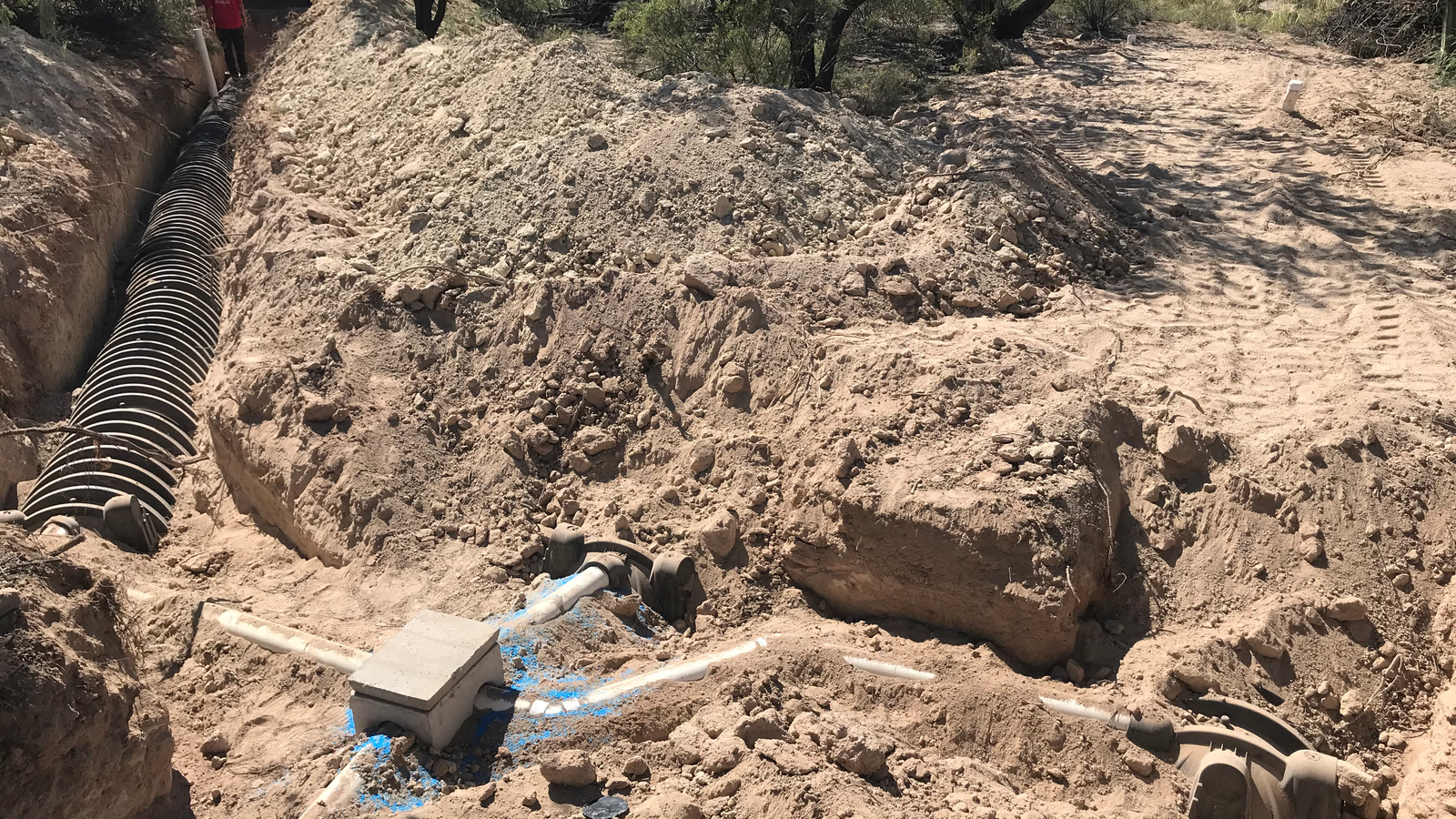
Drain field excavation and repair work in progress at a Miami-Dade County residential property
Repair 13 min read

Drain Field Repair in Miami-Dade: Why It Fails & What It Costs

The drain field is the most expensive component of your septic system, and Miami-Dade's high water table and limestone geology make it especially vulnerable. This guide explains why drain fields fail in South Florida, what repairs cost, and how to make the right decision between repair and replacement.

Published: February 9, 2026 Septic Tank Miami LLC

What Is a Drain Field and Why Is It So Important?

The drain field — also called a leach field, absorption field, or disposal field — is the underground network of perforated pipes or chambers that receives treated effluent (liquid waste) from your septic tank and disperses it into the surrounding soil. The soil then provides the final treatment, filtering out bacteria, viruses, and remaining contaminants before the water reaches the groundwater below.

In a properly functioning system, the drain field is where the real environmental magic happens. Bacteria in the soil break down pathogens and nutrients, and the natural filtration process produces water that is safe to rejoin the water cycle. Without a functioning drain field, your septic system is just a holding tank — and one that will overflow.

The drain field is also the most expensive component of the system to replace. While a new septic tank runs $2,000–$5,000 installed, a new drain field in Miami-Dade can cost $8,000–$25,000+ depending on the type, size, and site conditions. That price tag makes drain field protection and early intervention critically important for every homeowner.

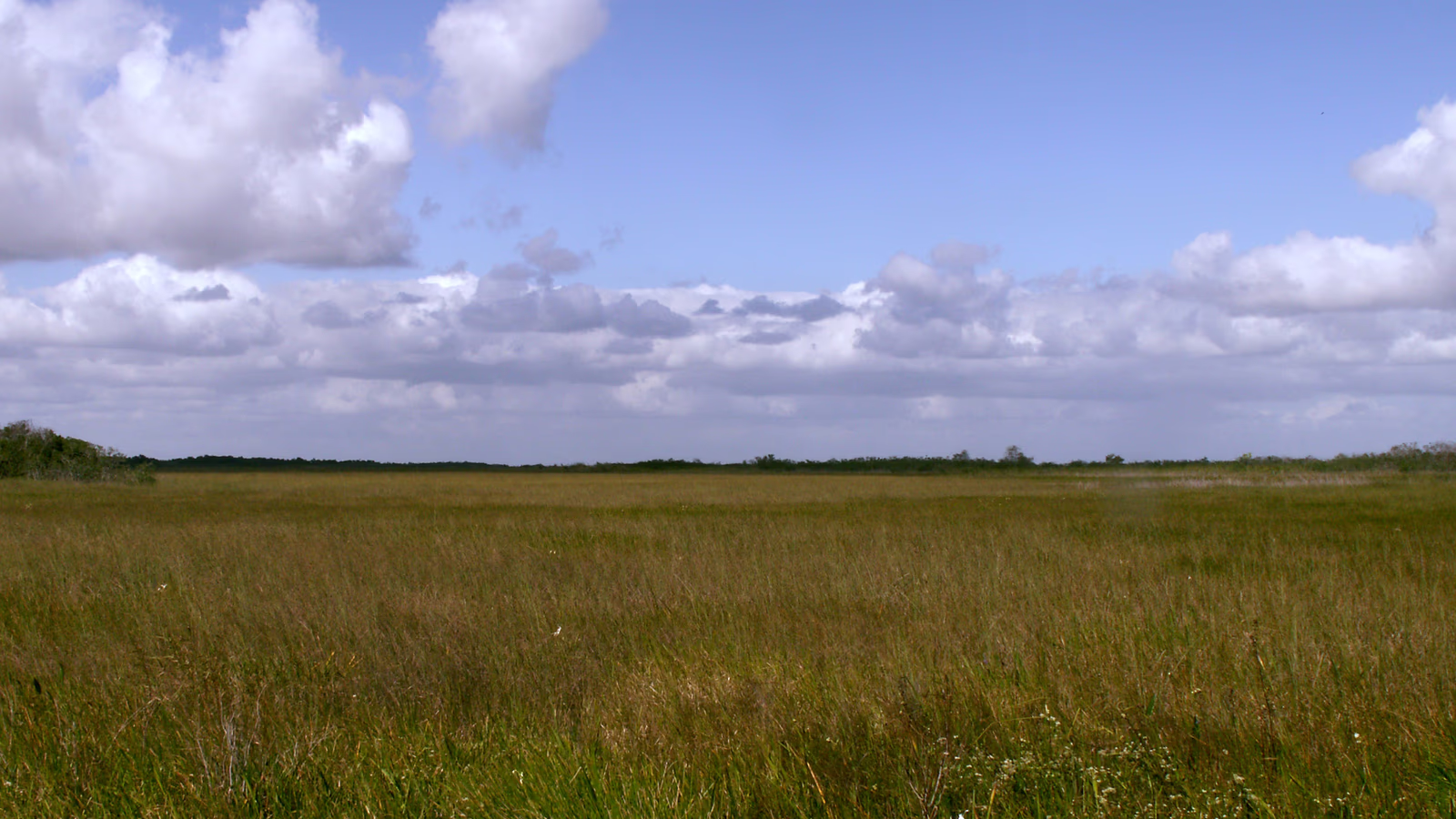
In Miami-Dade County, drain fields face unique challenges that do not exist in most other parts of the country. The combination of a high water table, porous limestone substrate, flat terrain, and heavy seasonal rainfall creates conditions that stress even properly designed and maintained drain fields.
Why Drain Fields Fail in Miami-Dade: The Local Factors

While drain field failure happens everywhere septic systems exist, the failure rate in Miami-Dade is significantly higher than the national average. Understanding why requires a look at the unique geology, hydrology, and climate of South Florida.

The High Water Table Problem

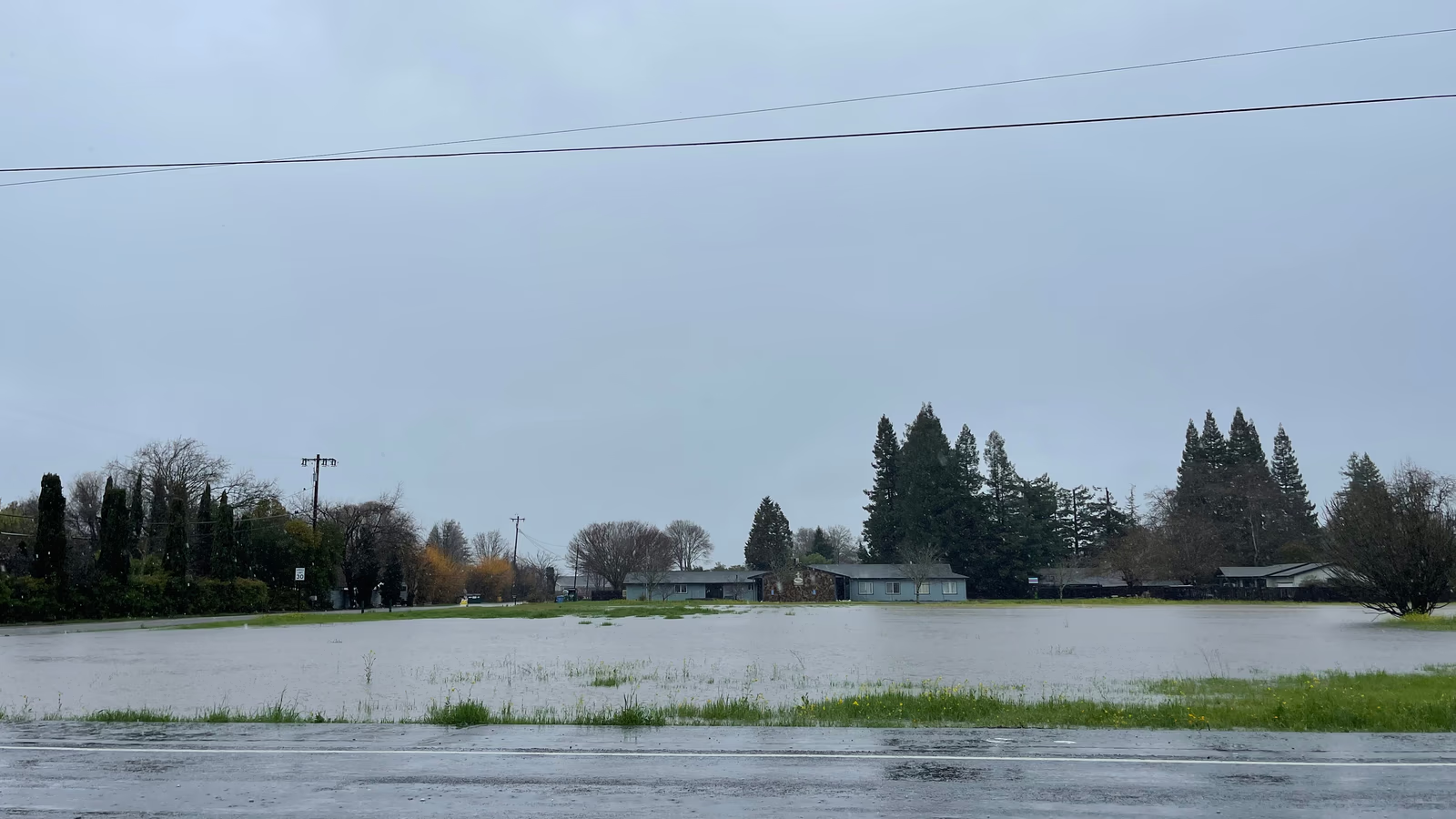
Miami-Dade County sits on the Biscayne Aquifer, one of the most productive but also one of the shallowest aquifers in the United States. The water table in many neighborhoods is just 2–6 feet below the ground surface during the dry season. During the wet season (June through October), it can rise to within inches of the surface.

Florida regulations require a minimum of 24 inches of unsaturated soil between the bottom of the drain field trenches and the seasonal high water table. In many Miami-Dade locations, meeting this requirement is barely possible even with engineered solutions. When the water table rises above this minimum separation, the drain field is submerged and cannot function — effluent has nowhere to go except back toward the tank and eventually the house.

Properties near canals, coastal areas, and low-lying zones are especially vulnerable. The water table in areas like Cutler Bay, Palmetto Bay, and parts of Homestead can fluctuate by several feet between seasons, creating a cycle of function and failure that gradually degrades the drain field soil.

Limestone and Soil Conditions

Most of Miami-Dade sits atop oolitic limestone — a porous, Swiss-cheese-like rock that provides far less filtration than the sandy or clay soils found elsewhere in the country. While the porosity can help with drainage, it also means that contaminants can travel farther and faster through the subsurface, reaching groundwater without adequate treatment.

In areas where the soil profile is thin (just inches of sand or marl over bedrock), drain field trenches may sit partially in rock, which reduces the biological treatment zone and limits absorption capacity. Contractors sometimes encounter solid limestone during excavation that requires rock plowing or alternative drain field designs.

Biomat Buildup and Soil Clogging

Over time, a biological layer called the "biomat" forms at the interface between the drain field gravel and the native soil. A thin biomat is actually beneficial — it slows effluent flow and provides additional treatment. But when excessive solids reach the drain field (usually because the tank was not pumped regularly), the biomat thickens to the point where it seals the soil and blocks absorption entirely.

In Miami-Dade's warm climate, biomat grows faster than in cooler regions because bacterial activity is year-round. A drain field that might last 30 years in New England may develop clogging problems in 15–20 years in South Florida, all else being equal.

How to Tell If Your Drain Field Is Failing

Drain field failure produces specific symptoms that are distinct from other septic problems. Recognizing these signs early gives you the best chance of a less expensive repair rather than full replacement.

  • Standing water or soggy ground over the drain field: Especially during dry weather, this is the clearest sign of failure. The soil can no longer absorb effluent and it is surfacing.
  • Sewage odor concentrated in the drain field area: Unlike a full tank (which produces odor near the tank), a failing drain field produces odor across the entire field footprint.
  • Unusually green or vigorous vegetation: The extra nutrients from surfacing effluent act as fertilizer, creating a visible green stripe or rectangle over the drain lines.
  • Slow drains that do not improve after tank pumping: If you pump the tank and drains are still slow, the bottleneck is in the drain field, not the tank.
  • High effluent levels in the tank: If your technician notes that the liquid level in the tank outlet side is higher than normal during pumping, it means effluent is not flowing freely to the drain field.

A camera inspection of the distribution lines and a detailed assessment of the drain field soil can confirm whether the field is failing and how severe the damage is. This diagnostic step is essential before committing to a repair strategy.

Drain Field Repair vs. Full Replacement

One of the most important decisions you will face is whether your drain field can be repaired or needs complete replacement. The answer depends on the type and extent of failure, the age and condition of the existing system, and the site conditions on your property.

When Repair Is Viable

Repair may be sufficient when the failure is localized or caused by a specific, correctable issue:

  • Clogged effluent filter: Cleaning or replacing a $50 filter can restore full function. This is the best-case scenario.
  • Crushed or root-infiltrated distribution pipe: Replacing a single damaged section of pipe ($500–$2,000) is far cheaper than replacing the entire field.
  • Distribution box failure: A cracked or settled D-box that sends all effluent to one trench can be replaced for $500–$1,500, restoring even distribution.
  • Partial biomat clogging: If only a portion of the field is clogged, aerobic remediation (injecting air into the soil to break down the biomat) or "resting" the affected zone may restore absorption. Cost: $1,500–$5,000.

When Full Replacement Is Necessary

Full replacement becomes necessary when:

  • The entire drain field soil is saturated with biomat and solids (confirmed by soil testing or excavation).
  • The distribution pipes have collapsed or shifted throughout the system, not just in one area.
  • The original design was undersized for the current household or did not account for the seasonal high water table.
  • The site conditions have changed (e.g., the water table has risen due to sea level rise or nearby development altered drainage patterns).
  • DERM requires an upgrade to an advanced treatment system as a condition of permitting the repair.

Full replacement means excavating the old field, removing the contaminated soil, and installing a new system designed for current conditions and regulations. In Miami-Dade, this almost always requires a DERM permit, engineered plans, and inspections at multiple stages of construction.

Drain Field Repair & Replacement Costs in Miami-Dade

Costs for drain field work in Miami-Dade are among the highest in Florida due to the engineering challenges posed by local conditions, permitting requirements, and the specialized equipment needed to work in high-water-table environments.

  • Minor repairs (filter cleaning, single pipe section, D-box replacement): $300–$2,000
  • Moderate repairs (partial field restoration, aerobic remediation, multiple pipe sections): $2,000–$6,000
  • Conventional drain field replacement: $8,000–$15,000. This includes excavation, removal of the old field, new gravel and pipe installation, and backfill. Price varies primarily by field size (which is dictated by the number of bedrooms and daily wastewater flow).
  • Mounded system installation: $12,000–$20,000. Required when the water table is too high for a conventional in-ground field. The system is built above grade in engineered fill material, which adds material and labor cost but provides the necessary separation.
  • Advanced treatment system (ATU + drain field): $15,000–$25,000+. Increasingly required by DERM for properties near Biscayne Bay, canals, and wellfields. These systems include a nitrogen-reducing aerobic treatment unit that pre-treats effluent before it reaches the drain field.

These prices include DERM permitting ($500–$1,500), engineering design ($1,000–$3,000 for complex sites), and standard installation. Difficult access, rock plowing, dewatering, and extensive site restoration add to the final cost.

Always get at least two written estimates from licensed septic contractors. Be wary of estimates that seem unusually low — the contractor may be cutting corners on materials, not including permitting costs, or underestimating the scope of work.

Drain Field Types Used in Miami-Dade County

Not all drain fields are created equal, and the type best suited for your property depends on soil conditions, water table depth, lot size, and DERM requirements. Here are the primary types used in Miami-Dade:

  • Conventional gravel-and-pipe: The traditional design using perforated PVC pipe laid in gravel-filled trenches. Effective when there is adequate soil depth and water table separation. Least expensive to install but requires the most favorable site conditions.
  • Chamber systems: Plastic arch chambers replace the gravel bed, creating more storage volume for effluent and providing greater contact area with the soil. Good for sites with variable water tables because the chambers can handle temporary saturation better than gravel-and-pipe.
  • Mounded systems: The entire drain field is built above the natural ground surface in a carefully engineered sand mound. Used when the natural water table is too close to the surface for in-ground installation. Common in low-lying areas of Miami-Dade near canals and coastal zones.
  • Drip distribution systems: Pressurized, small-diameter tubing distributes effluent evenly through the soil in shallow, precisely spaced lines. Requires less vertical separation than conventional systems and works well on properties with limited space or irregular shapes. Higher maintenance due to the pump and filtration components.
  • Low-pressure dosing (LPD): A pump delivers measured doses of effluent to the drain field on a timed schedule, preventing overloading and ensuring even distribution. Effective for sites where gravity distribution would be uneven.

Your septic contractor and engineer will recommend the appropriate type based on a site evaluation that includes soil borings, water table monitoring, and percolation testing. DERM review ensures the selected design meets all regulatory requirements for your specific property.

The DERM Permitting Process for Drain Field Work

Any significant drain field repair or replacement in Miami-Dade County requires a permit from the Department of Environmental Resources Management (DERM). The permitting process exists to protect groundwater quality and ensure systems are designed and installed to handle local conditions.

The typical permitting timeline includes:

  • Site evaluation and engineering: 1–2 weeks. A licensed engineer evaluates the property, performs soil borings and water table monitoring, and designs the replacement system. This step cannot be skipped — DERM requires engineered plans for all drain field installations.
  • Permit application and review: 2–6 weeks. DERM reviews the engineering plans, verifies setback compliance, and confirms the design meets all applicable regulations. Complex sites or properties in environmentally sensitive areas may require additional review.
  • Installation and inspection: 1–3 weeks for installation, with DERM inspections at key milestones (excavation, pipe placement, backfill). The system cannot be used until DERM issues the final approval.

Total timeline from initial assessment to operational system is typically 6–12 weeks. During this period, you may need temporary measures (portable toilet, holding tank pumping) to manage wastewater. Your contractor should advise on interim solutions as part of the project plan.

Attempting drain field work without a permit is a serious violation. DERM can require you to remove unpermitted work, install a permitted system at your expense, and impose fines. It also creates title issues that can complicate future property sales.

How to Extend Your Drain Field's Lifespan

Given the cost of replacement, protecting your existing drain field is one of the best financial decisions you can make as a Miami-Dade homeowner. These practices directly extend drain field life:

  • Pump the tank on schedule: This is the single most important thing you can do. Regular pumping prevents solids from overflowing into the drain field and clogging the soil. Schedule your pump-out here.
  • Install and maintain an effluent filter: A $50 filter on the tank outlet catches solids that would otherwise reach the drain field. Clean it annually during routine maintenance.
  • Conserve water: The less water you send to the drain field, the less stress on the soil. High-efficiency fixtures, leak repairs, and spreading water use throughout the day all make a difference.
  • Keep the field clear: No vehicles, no structures, no heavy equipment, no deep-rooted plants. The drain field needs uncompacted soil and clear access for oxygen exchange, which is essential for the biological treatment process.
  • Divert surface water: Route gutters, grading, and landscaping drainage away from the drain field. Extra surface water saturates the soil and reduces its capacity to absorb effluent.
  • Avoid the garbage disposal: Ground food waste sends a heavy load of solids and grease into the system that accelerates biomat formation in the drain field.
  • Never use drain field additives: Products that claim to "restore" or "rejuvenate" drain fields are unproven at best and harmful at worst. They can push solids deeper into the soil, making the problem worse.

A well-maintained drain field in Miami-Dade can last 20–30 years or longer. A neglected one may fail in under 10 years. The difference is entirely within your control.

How to Choose a Drain Field Contractor in Miami-Dade

Drain field work is the most complex and expensive type of septic service, so choosing the right contractor is critical. Here is what to look for:

  • Septic-specific licensing: Verify the contractor holds a valid Florida registered or certified septic tank contractor license (not just a general plumbing license). Drain field design and installation requires specialized knowledge that general plumbers may not have.
  • Miami-Dade experience: Local experience is non-negotiable for drain field work. A contractor who has never worked in Miami-Dade's high water table and limestone conditions will make mistakes that a seasoned local contractor would avoid. Ask how many drain field projects they have completed in the county.
  • In-house engineering relationships: The best contractors work with septic engineers regularly and can coordinate the entire project — from design through permitting to installation — as a single point of contact.
  • DERM familiarity: A contractor who knows the DERM permitting process, inspection requirements, and review timeline can navigate the bureaucracy efficiently and avoid costly delays.
  • Written, detailed estimates: The estimate should break down costs for engineering, permitting, excavation, materials, installation, backfill, site restoration, and any contingencies. A single lump-sum number without detail is a red flag.
  • Warranty: Reputable contractors warranty their drain field installations for 1–3 years against defects in workmanship and materials. Get warranty terms in writing before work begins.

At Septic Tank Miami LLC, we have been designing, installing, and repairing drain fields in Miami-Dade County for over 15 years. We know the soil, the water table, and the regulations inside and out. Every project is engineered for the specific conditions of your property.

Drain Fields and Biscayne Bay: The Environmental Connection

Miami-Dade's septic systems are directly connected to the health of Biscayne Bay through the Biscayne Aquifer. When a drain field is functioning properly, it treats effluent to a level that is safe for groundwater. When it fails, inadequately treated wastewater — loaded with nitrogen, phosphorus, and pathogens — reaches the aquifer and eventually flows into the Bay.

Studies by the University of Miami and Florida International University have identified failing septic systems as one of the top contributors to nutrient pollution in Biscayne Bay. Excess nitrogen fuels algae blooms that deplete oxygen, kill seagrass beds, and harm the marine ecosystem that supports recreational fishing, diving, and tourism — all vital to Miami-Dade's economy and quality of life.

This environmental connection is a major driver behind Miami-Dade's increasingly strict septic regulations and the county's push to convert septic properties to municipal sewer where feasible. For properties that will remain on septic systems, proper drain field maintenance and timely replacement are not just financial decisions — they are environmental responsibilities.

If your drain field is failing, repairing or replacing it promptly is one of the most impactful things you can do for Biscayne Bay as a Miami-Dade resident. The advanced treatment systems now required in many sensitive areas reduce nitrogen output by up to 70% compared to conventional systems.

Get a Professional Drain Field Assessment

If you suspect your drain field is failing — slow drains that do not improve after pumping, wet spots in the yard, persistent odors — the worst thing you can do is wait. Every day a failing drain field continues to operate, more damage accumulates in the soil and the repair becomes more expensive.

Septic Tank Miami LLC offers comprehensive drain field evaluations that include a full tank pump-out with sludge level measurement, camera inspection of distribution lines, visual assessment of the drain field area, and a written diagnosis with repair options and cost estimates.

We provide honest assessments — if your field can be repaired, we will tell you. If it needs replacement, we will explain why and walk you through the options, permitting process, and timeline. No pressure, no upselling, just the facts.

Call (786) 582-1672 or request a free estimate online to schedule your drain field assessment. We serve all of Miami-Dade County with prompt, professional service.

Frequently Asked Questions

How much does drain field repair cost in Miami-Dade?

Drain field repair costs range from $300 to $6,000 for minor to moderate repairs (filter cleaning, pipe section replacement, aerobic remediation). Full drain field replacement in Miami-Dade typically costs $8,000 to $25,000+ depending on the system type, property conditions, and whether an advanced treatment system is required by DERM.

How long does a drain field last in Miami-Dade?

A properly maintained drain field in Miami-Dade can last 20 to 30 years or longer. However, systems subjected to irregular pumping, excessive water usage, or the stress of South Florida's high water table and warm climate may fail in 10 to 15 years. Regular tank pumping is the single most important factor in drain field longevity.

Can a failed drain field be restored without full replacement?

Sometimes. If the failure is caused by a clogged effluent filter, a broken distribution pipe, or partial biomat buildup, targeted repairs may restore function. Aerobic remediation and soil fracturing are techniques that can revive partially clogged fields. However, if the entire field soil is saturated with solids, full replacement is usually the only option.

Do I need a permit to repair my drain field in Miami-Dade?

Minor repairs like filter cleaning and single pipe replacement generally do not require a permit. However, any significant repair or full replacement requires a DERM permit, which includes engineering design, plan review, and inspections. Unpermitted drain field work can result in fines and forced removal. Your contractor should handle the permitting process as part of the project.

Why does the high water table make drain field repair more expensive in Miami?

The high water table in Miami-Dade limits the types of systems that can be installed and often requires engineered solutions like mounded systems, dewatering during construction, and advanced treatment units. These solutions cost more than conventional in-ground systems. Additionally, the high water table accelerates failure, meaning drain fields may need replacement sooner than in areas with deeper water tables.

Need Septic Help?

Get a free estimate or schedule your service today.

Call Now Book Online WhatsApp