
Skip to content
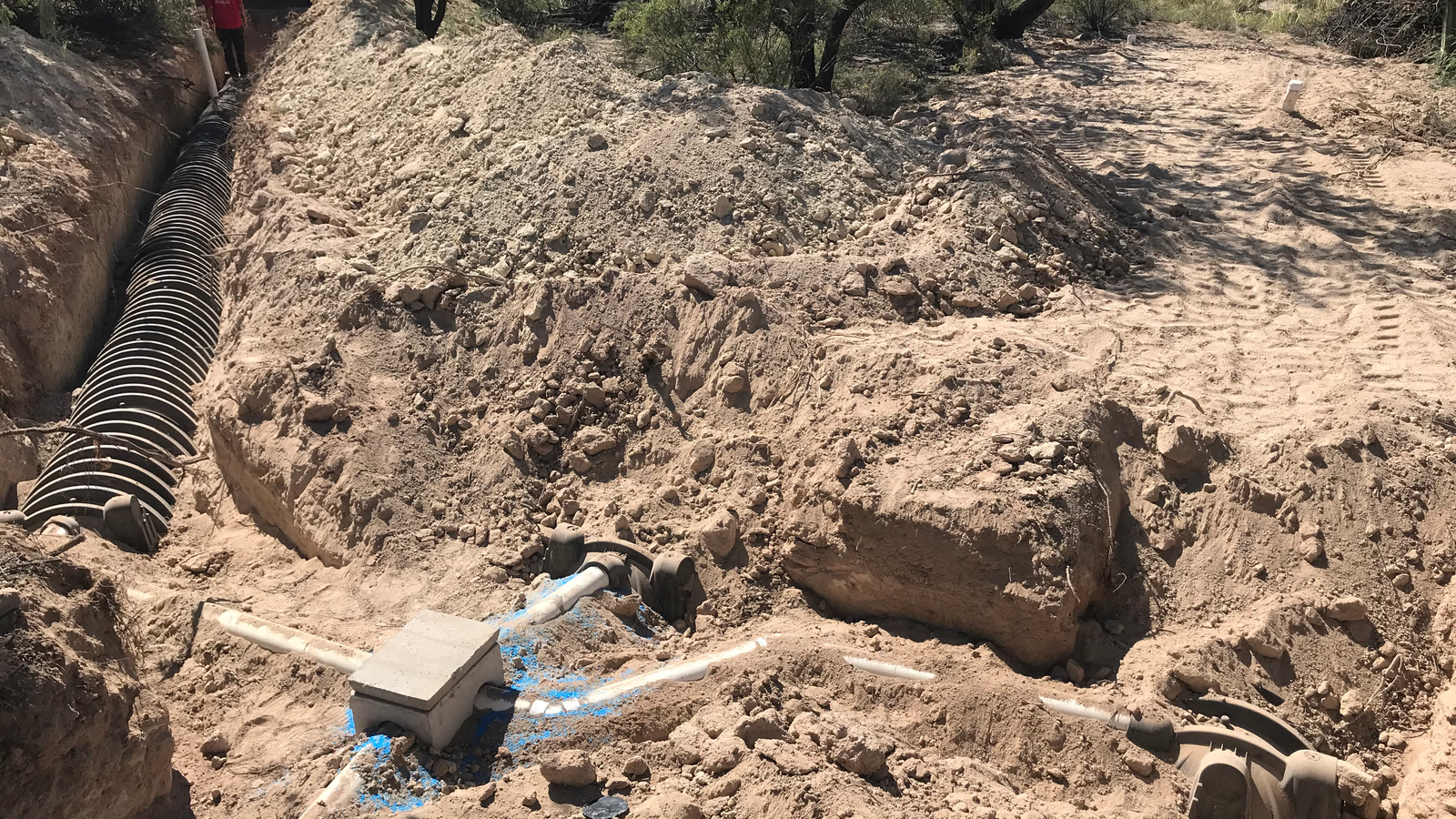
Septic system work in progress in a Miami-Dade residential yard
Environment 12 min read

Rising Water Tables & Septic Systems: Miami's Hidden Crisis

Miami-Dade's rising water table is compromising thousands of septic systems. Discover how sea level rise affects drain fields, what warning signs to watch for, and the steps homeowners can take to protect their property and Biscayne Bay.

Published: December 19, 2025 Septic Tank Miami LLC

Understanding Miami's Water Table

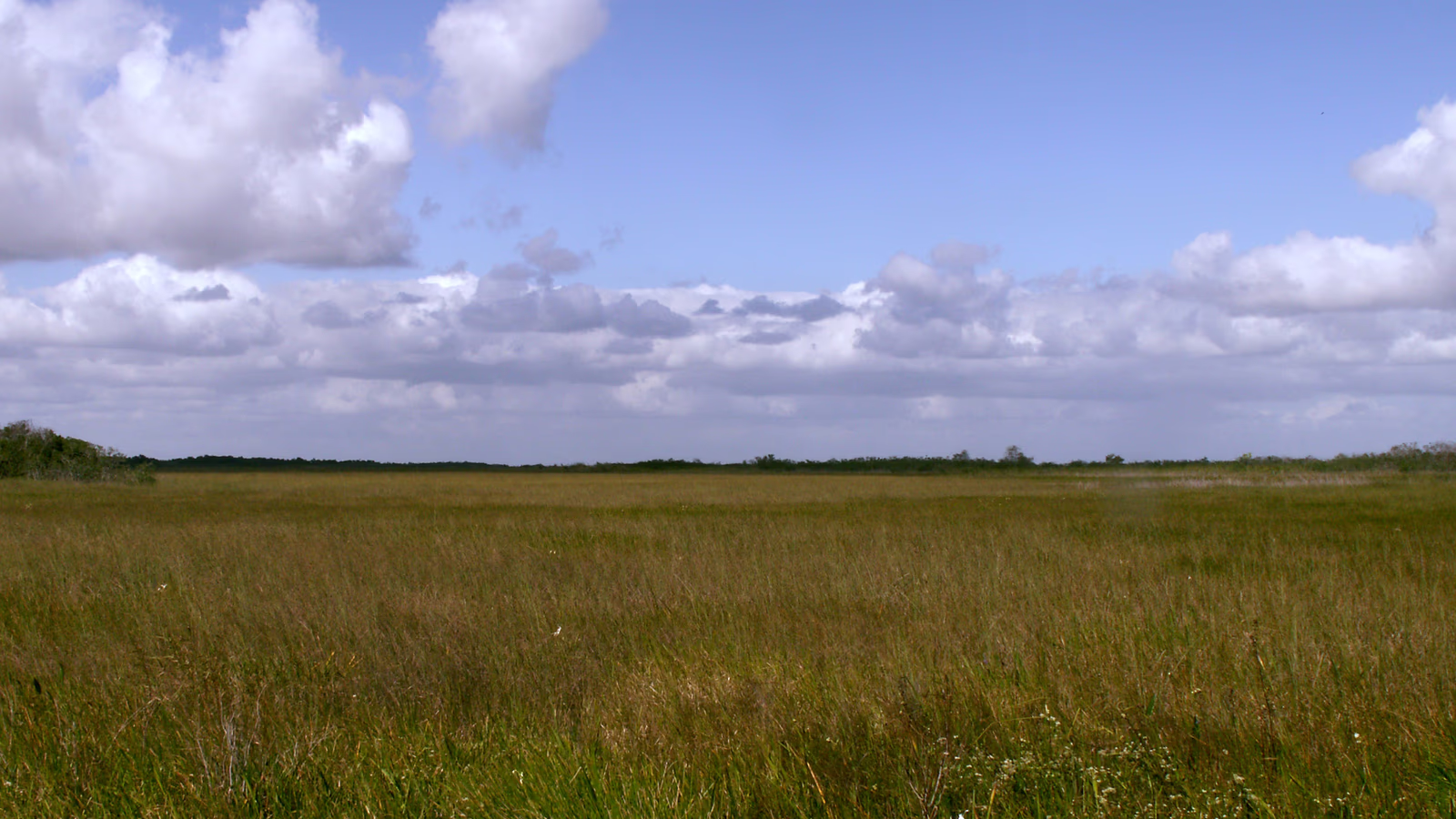
Miami-Dade County sits on the Biscayne Aquifer, one of the most porous and productive aquifers in the United States. Unlike bedrock-based aquifers found in most of the country, the Biscayne Aquifer is composed of highly permeable oolitic limestone that allows water to move through it almost as freely as through gravel. This geological reality means the water table in many Miami neighborhoods rests just two to four feet below the surface during the dry season and can rise to within inches of grade during the wet season.

For the roughly 120,000 septic systems operating across Miami-Dade, this shallow water table presents an existential challenge. A conventional septic system relies on at least two feet of unsaturated soil beneath the drain field to filter pathogens and nutrients before effluent reaches groundwater. When the water table encroaches on that filtration zone, the treatment process breaks down and partially treated wastewater enters the aquifer, canals, and ultimately Biscayne Bay.

The issue is not hypothetical. NOAA tide gauges at Virginia Key have recorded roughly six inches of sea level rise since 1996, and projections from the Southeast Florida Regional Climate Change Compact indicate an additional 10 to 17 inches by 2040. Because the Biscayne Aquifer is hydraulically connected to the ocean, any rise in sea level translates almost directly into a rise in the inland water table, shrinking the unsaturated soil zone that septic systems depend on.
How Sea Level Rise Directly Affects Septic Systems

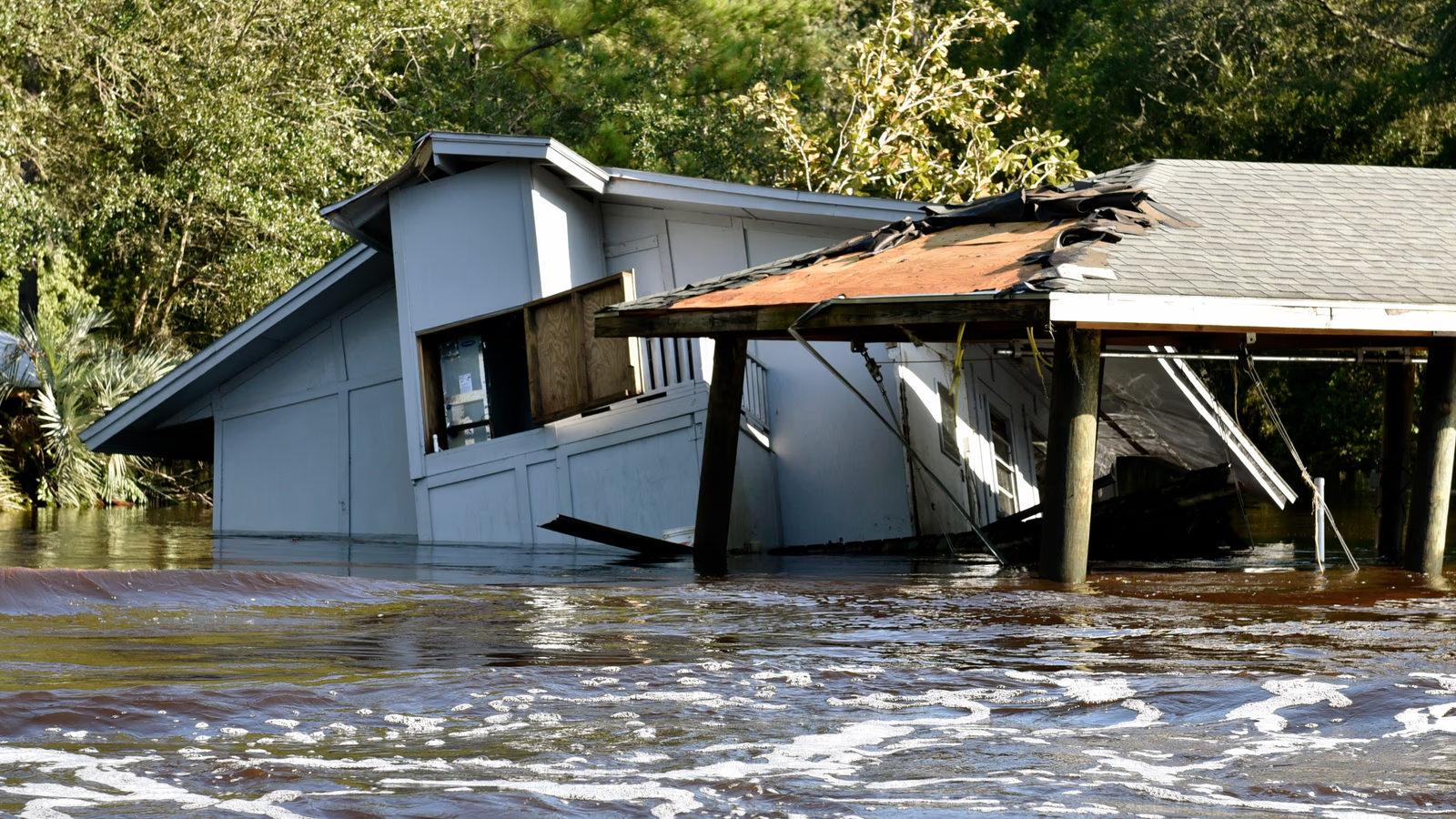
Sea level rise impacts septic systems through three interrelated mechanisms: reduced soil treatment capacity, increased hydraulic loading on drain fields, and saltwater intrusion into the freshwater lens. Each of these mechanisms accelerates the failure of conventional systems that were engineered for a lower water table.

When groundwater saturates the drain field trenches, effluent can no longer percolate downward through aerobic soil. Instead, it migrates laterally or surfaces as wet spots in the yard. The anaerobic conditions that develop in waterlogged soil produce hydrogen sulfide gas and allow fecal coliform bacteria to travel much farther than they would in properly aerated soil. Studies by Florida International University have found elevated nutrient concentrations in canal water adjacent to neighborhoods with high densities of septic systems, particularly during king tide events when the water table peaks.

Saltwater intrusion adds another layer of complexity. As the freshwater-saltwater interface moves inland, the chemistry of the soil changes. Chloride ions can disrupt the microbial communities responsible for breaking down organic matter in the drain field, further reducing treatment efficiency. Homeowners in coastal communities like Cutler Bay, Palmetto Bay, and parts of South Miami have reported accelerated drain field deterioration that correlates with documented saltwater intrusion in nearby monitoring wells.

The compounding effect of these factors means that a system installed 20 years ago with adequate separation from the water table may now operate with little to no treatment margin. This is not a maintenance failure; it is an environmental shift that demands a new approach to onsite wastewater treatment.

Miami-Dade Neighborhoods Most at Risk

Not every neighborhood in Miami-Dade faces the same level of threat, but the geography of risk is broader than most residents realize. Areas immediately adjacent to Biscayne Bay, including Coconut Grove, Shorecrest, and the Upper Eastside, experience tidal groundwater fluctuations that can push the water table into the drain field zone during seasonal king tides from September through November.

Inland communities are not immune. Large portions of Sweetwater, Westchester, Kendall, and Homestead rely on septic systems and sit on low-elevation limestone with minimal topographic relief. During the wet season, these areas can experience water table elevations comparable to coastal zones simply due to rainfall saturation of the porous aquifer. The C-4, C-6, and C-100 canal systems that manage stormwater in these areas are increasingly unable to maintain the designed water table depression because their outfall structures must contend with higher ocean levels.

The Redland agricultural area in South Miami-Dade presents a unique concern. Thousands of homes on large lots use septic systems, and the area's relatively low elevation combined with limited stormwater infrastructure makes it vulnerable to prolonged wet-season flooding. Agricultural nutrient loading from surrounding farms compounds the water quality challenge when septic systems underperform.

Warning Signs Your Septic System Is Affected

Recognizing the early indicators of water table interference can save homeowners thousands of dollars in emergency repairs and prevent environmental contamination. The symptoms often begin subtly and escalate during the wet season before partially resolving in drier months, which can lull property owners into thinking the problem has corrected itself.

The most common warning signs include:

  • Standing water or soggy patches over the drain field area that persist more than 24 hours after rainfall
  • Sewage odors in the yard, particularly during or after rain events and king tide periods
  • Slow drains throughout the house that worsen during the wet season but improve in the dry season
  • Lush, unusually green grass over the drain field compared to the rest of the yard, indicating effluent is surfacing
  • Gurgling sounds from plumbing fixtures when the system is under load
  • Elevated bacteria counts in nearby well water tests

If you observe any combination of these symptoms, scheduling a professional septic inspection is essential. A qualified technician can measure the separation distance between your drain field and the current water table, assess biomat buildup, and determine whether your system can still provide adequate treatment.

Property owners near canals should pay particular attention during king tide events in October and November, when tidal influence on groundwater is at its maximum. Documenting symptoms with dates and photographs can help your septic professional correlate problems with water table fluctuations measured at nearby USGS monitoring wells.

Environmental Impact on Biscayne Bay

The ecological consequences of failing septic systems extend far beyond individual properties. Biscayne Bay, a shallow estuary that supports seagrass beds, manatees, dolphins, and a multi-billion-dollar recreational fishing economy, has experienced alarming water quality degradation in recent years. In 2020, a massive fish kill in the northern portion of the bay drew national attention and prompted emergency action from Miami-Dade County.

Researchers at Florida International University and the University of Miami have identified nutrient loading from septic systems as a significant contributor to the bay's decline. Nitrogen and phosphorus from inadequately treated septic effluent fuel algal blooms that block sunlight from reaching seagrass, the foundation of the bay's food web. When seagrass dies, the sediment it stabilizes resuspends, further clouding the water in a destructive feedback loop.

Miami-Dade County's Biscayne Bay Task Force has recommended accelerating the conversion of septic systems to centralized sewer, but the scale of the undertaking is enormous. Connecting all 120,000 septic properties to sewer could cost upward of $4 billion and take decades. In the interim, upgrading vulnerable systems to advanced treatment technologies and ensuring proper drain field maintenance are critical stopgap measures.

Individual homeowners may feel that their single system cannot make a meaningful difference, but the cumulative effect is substantial. A single failing septic system can discharge 20 to 60 gallons of inadequately treated wastewater per day into the groundwater. Multiply that across thousands of compromised systems, and the nitrogen load entering Biscayne Bay from septic sources becomes a primary driver of ecological collapse.

County Regulations and Emerging Legislation

Miami-Dade County and the State of Florida have begun to respond to the septic crisis with a combination of regulatory changes and financial incentives. In 2020, the Florida Legislature passed Senate Bill 712 (the Clean Waterways Act), which allocated funding for septic-to-sewer conversions in areas identified as vulnerable to nutrient pollution. Miami-Dade has been actively pursuing these funds to offset conversion costs for homeowners in priority basins.

The county's Department of Regulatory and Economic Resources (RER) has also tightened permitting requirements for new septic installations and major repairs. In areas where the seasonal high water table is within 24 inches of the drain field bottom, conventional gravity-fed systems are no longer permitted. Homeowners in these zones must install performance-based treatment systems (PBTS) or advanced treatment units (ATUs) that can achieve higher levels of nutrient removal.

Looking ahead, several legislative proposals under consideration would mandate inspections of all septic systems at the point of property sale and require upgrades for systems that fail to meet current treatment standards. While these proposals face political opposition due to cost concerns, the trajectory is clear: the era of install-and-forget septic systems in Miami-Dade is ending.

Flood-Proofing Your Drain Field

While no retrofit can completely eliminate the risk that a rising water table poses to a conventional drain field, several engineering strategies can extend the useful life of your system and reduce environmental contamination during high-water events. The appropriate approach depends on your property's elevation, soil characteristics, and proximity to surface water bodies.

Mound Systems and Elevated Drain Fields

One of the most effective strategies is raising the drain field above the natural grade using an engineered mound system. A mound system places the distribution pipes and treatment media in a constructed fill above the existing soil surface, restoring the vertical separation distance that the rising water table has eliminated. In Miami-Dade, mound systems typically add 18 to 36 inches of engineered sand and gravel media above the original grade.

The cost of a mound system ranges from $15,000 to $30,000 depending on the system size and site conditions. While this represents a significant investment, it is often less expensive than connecting to centralized sewer, which can cost $20,000 to $40,000 or more when the sewer main is not adjacent to the property.

Dosing Pumps and Pressure Distribution

Converting a gravity-fed drain field to a pressure-dosed system can improve performance in high-water-table conditions by distributing effluent more evenly across the entire drain field area. Gravity systems tend to saturate the trenches closest to the tank first, creating localized overloading. A pressure-dosed system uses a pump and small-diameter distribution laterals to deliver precise doses of effluent across all trenches simultaneously.

This approach maximizes the available soil treatment capacity and reduces the likelihood of surfacing during marginal water table conditions. The retrofit cost for adding a dosing pump to an existing system is typically $3,000 to $6,000.

Alternative Treatment Technologies for High Water Tables

When conventional drain field modifications are insufficient, advanced treatment technologies offer a path forward. These systems treat wastewater to a higher standard before it reaches the soil, reducing the reliance on soil-based filtration that becomes unreliable in saturated conditions.

Aerobic Treatment Units (ATUs) introduce oxygen into the treatment process, supporting aerobic bacteria that break down organic matter and reduce nitrogen more effectively than the anaerobic conditions in a conventional septic tank. ATUs can reduce biochemical oxygen demand (BOD) and total suspended solids (TSS) to below 10 mg/L, compared to 150 to 200 mg/L from a conventional tank. This dramatically reduces the treatment burden on the drain field.

Nitrogen-reducing systems, also known as performance-based treatment systems (PBTS), go a step further by incorporating denitrification processes that convert nitrate to nitrogen gas. These systems can reduce total nitrogen discharge by 70 to 90 percent, which is critical in areas where septic effluent contributes to algal blooms in Biscayne Bay and its tributary canals.

The Florida Department of Health maintains a list of approved advanced treatment technologies. Brands commonly installed in Miami-Dade include Clearstream, Jet Inc., Delta Whitewater, and Hoot Systems. Costs range from $10,000 to $25,000 for the treatment unit alone, with annual maintenance contracts adding $300 to $600. Despite the higher upfront cost, these systems are increasingly the only legal option for new installations and major repairs in vulnerable areas.

Septic-to-Sewer Conversion: Timeline and Costs

Miami-Dade County has identified septic-to-sewer conversion as the long-term solution for areas where onsite treatment is no longer viable. The county's comprehensive plan targets several priority basins for conversion, with the Little River, Arch Creek, and South Miami-Dade basins among the first phases.

The cost of connecting an individual property to sewer varies widely based on the distance to the nearest sewer main, the depth of the connection, and site-specific conditions. Homeowners can expect to pay between $5,000 and $15,000 for the on-site portion of the work (decommissioning the old tank, installing a grinder pump if needed, and running a lateral to the main). The county typically covers the cost of extending sewer mains through neighborhoods, but special assessment districts may pass some of that cost to property owners over time.

Financial assistance is available. The Florida Department of Environmental Protection's Springs and Aquifer Protection Program has distributed grants to Miami-Dade for conversion projects, and the county offers low-interest loans through its Environmental Enhancement Trust Fund. Homeowners in priority basins should contact Miami-Dade Water and Sewer to determine their eligibility for subsidized connections.

Until sewer arrives at your street, maintaining your septic system in optimal condition is both a legal obligation and an environmental responsibility. Regular septic tank pumping every three to five years, annual inspections, and prompt repair of drain field problems are the minimum standard of care.

What Homeowners Can Do Right Now

While the policy and infrastructure responses to rising water tables will take years to fully materialize, homeowners can take immediate steps to reduce their system's vulnerability and environmental footprint.

  • Schedule an inspection: A professional septic inspection that includes water table measurement will establish your system's current treatment margin.
  • Reduce water usage: Every gallon that enters the septic system must be treated and dispersed. Low-flow fixtures, efficient appliances, and spreading laundry loads across the week can reduce hydraulic loading by 30 percent or more.
  • Divert stormwater away from the drain field: Ensure gutters, swales, and landscape grading direct rainfall runoff away from the drain field area. Additional surface water raises the local water table and overwhelms the system.
  • Pump on schedule: Keeping the septic tank pumped prevents excess solids from migrating into the drain field, where they clog the soil and reduce absorption capacity.
  • Avoid compaction: Never park vehicles or place heavy structures over the drain field. Compacted soil loses the air spaces that support aerobic treatment.

These actions will not solve the underlying water table problem, but they will buy time and reduce the risk of a catastrophic failure while longer-term solutions are developed. Property owners who are proactive about maintenance and monitoring also tend to catch problems early, when remediation options are more affordable.

Impact on Insurance and Property Values

The financial implications of rising water tables extend beyond repair costs. Home insurance policies in Florida generally exclude septic system failures from coverage unless the damage results from a named peril like a hurricane. Gradual deterioration caused by a rising water table is considered a maintenance issue, leaving homeowners fully responsible for replacement costs that can range from $15,000 to $40,000.

Property values are also increasingly sensitive to septic system status. Real estate transactions in Miami-Dade now frequently include septic inspections as a condition of sale, and buyers are becoming more aware of the risks associated with systems in high-water-table areas. Properties in neighborhoods scheduled for sewer conversion may command a premium once the timeline is confirmed, while properties with aging septic systems in areas with no conversion plan may face valuation pressure.

For homeowners considering selling in the next five to ten years, investing in a system upgrade or connecting to sewer (where available) can protect property value and avoid the negotiation disadvantage of presenting a buyer with a failing or at-risk septic system.

Climate Projections and the Long-Term Outlook

The Southeast Florida Regional Climate Change Compact's 2019 unified sea level rise projection estimates 10 to 17 inches of additional rise by 2040 and 21 to 54 inches by 2060 under intermediate-to-high emission scenarios. For Miami-Dade's septic infrastructure, even the lower end of these projections would render thousands of additional systems non-functional without major modifications.

The implications are starkest in communities that are not currently within the county's sewer service area and have no funded conversion plan. Homeowners in these areas face a future where their only options may be expensive advanced treatment systems or property abandonment. While the latter scenario may seem extreme, portions of Miami-Dade that experience chronic tidal flooding are already seeing reduced demand and lower property values.

The most prudent approach for current homeowners is to treat their septic system as a depreciating asset that will require increasing investment over time. Budgeting for an eventual upgrade or conversion, staying informed about county infrastructure plans, and maintaining the existing system to the highest standard will provide the best outcome in an uncertain climate future.

At Septic Tank Miami LLC, we help homeowners across Miami-Dade navigate these challenges with honest assessments, expert maintenance, and guidance on when an upgrade makes financial and environmental sense. If you are concerned about how the rising water table is affecting your system, contact us for a comprehensive evaluation.

Frequently Asked Questions

How does the rising water table affect my septic system in Miami?

A rising water table reduces the unsaturated soil zone beneath your drain field that filters pathogens and nutrients. When groundwater reaches the drain field trenches, effluent cannot percolate properly, leading to surfacing sewage, odors, and contamination of nearby waterways including Biscayne Bay.

Which Miami neighborhoods are most vulnerable to septic failures from sea level rise?

Coastal communities near Biscayne Bay such as Coconut Grove, Cutler Bay, and Palmetto Bay face the highest risk due to tidal groundwater fluctuations. However, inland areas like Sweetwater, Kendall, and Homestead are also vulnerable because of Miami-Dade's porous limestone geology and flat topography.

Can I flood-proof my existing drain field?

Yes, several options exist. A mound system raises the drain field above the water table, and pressure-dosed distribution improves effluent dispersal. However, the most effective long-term solution in high-water-table areas is upgrading to an advanced treatment unit (ATU) that reduces the treatment burden on the soil.

How much does septic-to-sewer conversion cost in Miami-Dade?

On-site connection costs typically range from $5,000 to $15,000 depending on distance to the sewer main and site conditions. Financial assistance may be available through county programs and state grants. Contact Miami-Dade Water and Sewer to check eligibility for subsidized connections in priority basins.

Does homeowners insurance cover septic system failure from high water tables?

Generally, no. Florida homeowners insurance policies typically exclude gradual septic deterioration, which includes damage caused by a chronically high water table. Coverage may apply only if the failure results from a sudden covered peril such as a hurricane. Budget for repairs independently.

Need Septic Help?

Get a free estimate or schedule your service today.

Call Now Book Online WhatsApp