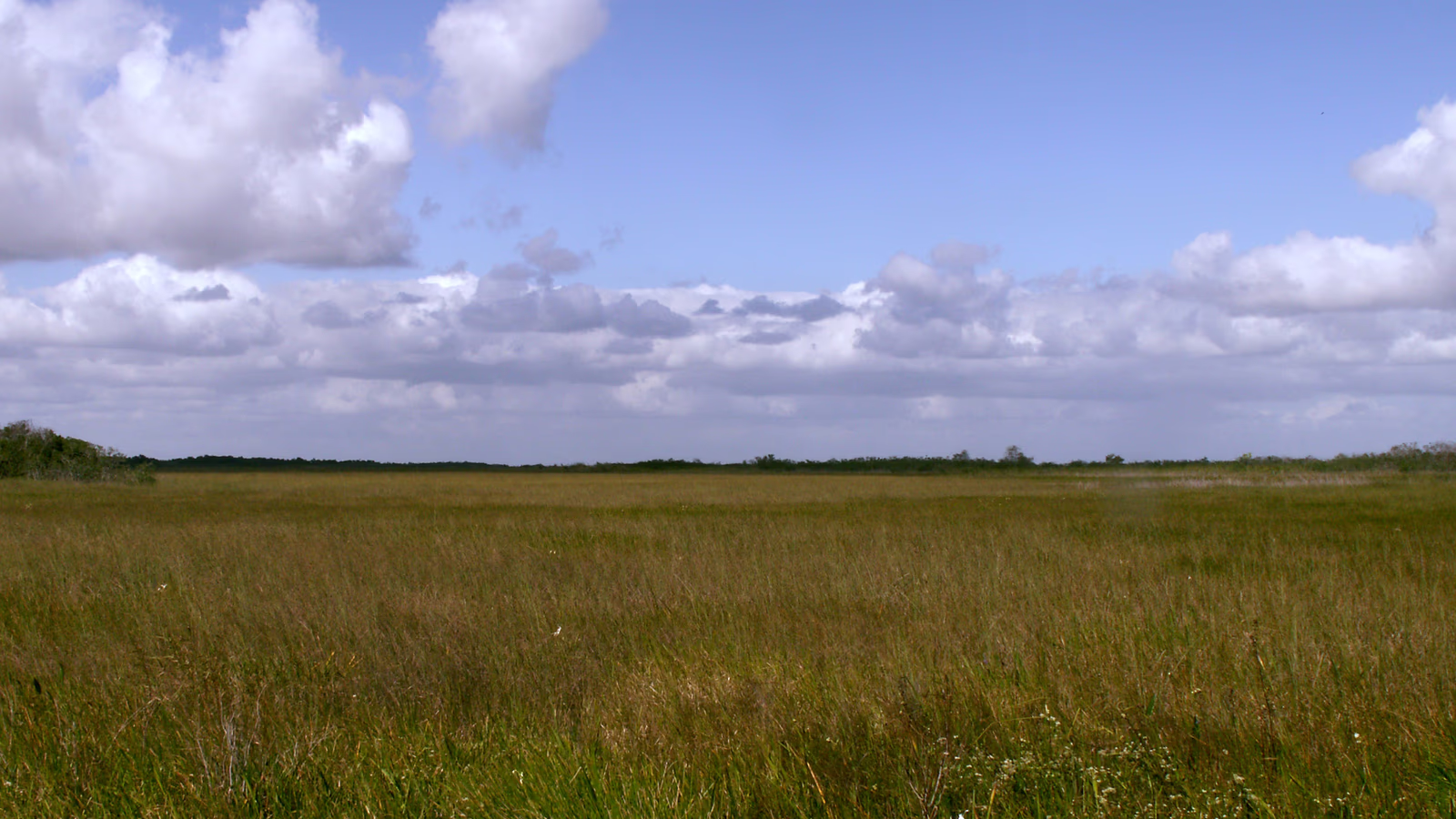
Miami-Dade County sits at the intersection of two realities that make hurricane season uniquely dangerous for septic system owners: we are one of the most hurricane-prone regions in the United States, and we have one of the highest water tables anywhere in the country. When a major storm hits, these two factors combine to create conditions that can overwhelm even a well-maintained septic system in a matter of hours.
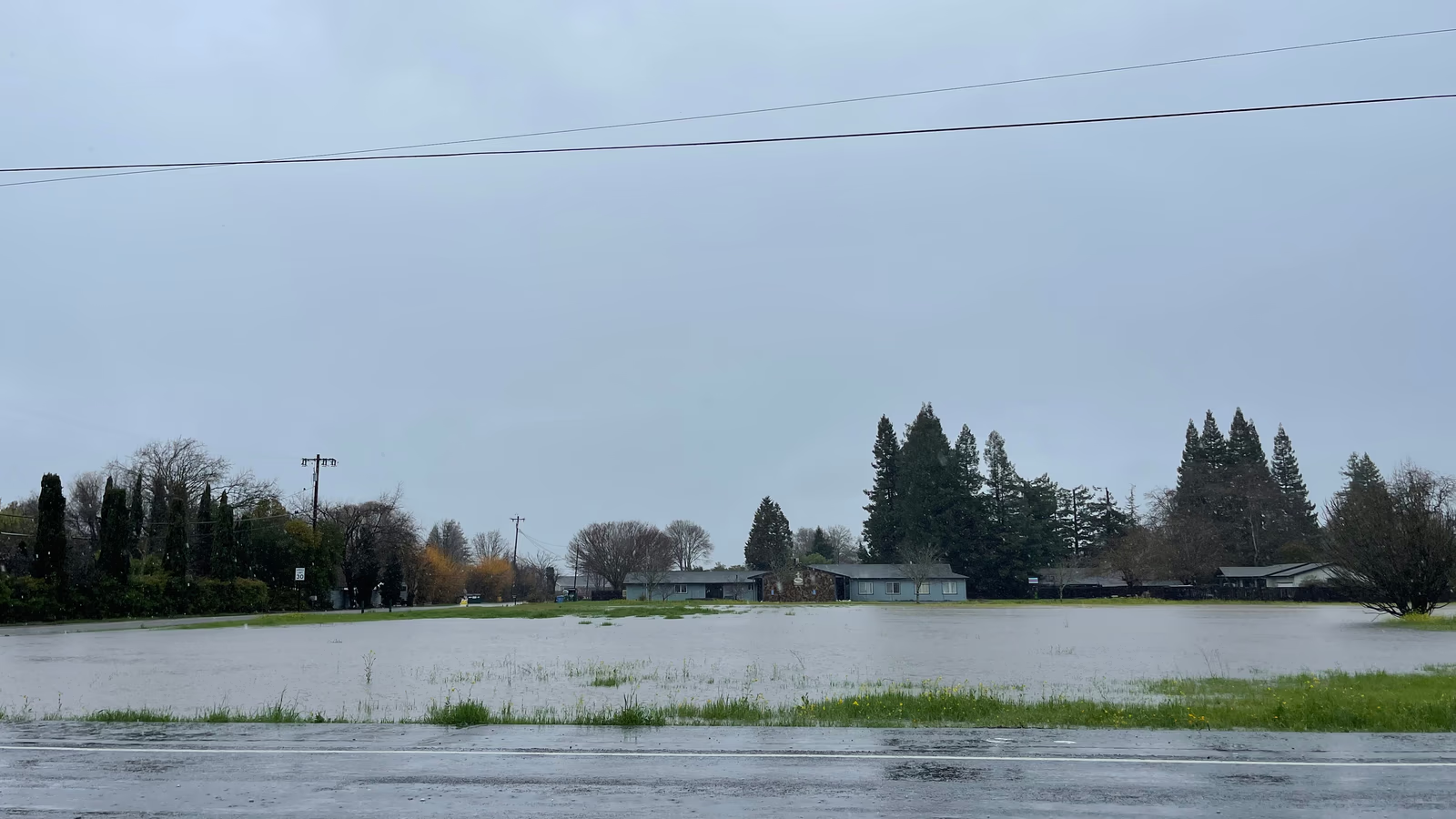
During a hurricane or tropical storm, heavy rainfall rapidly raises the already-shallow water table. In many Miami-Dade neighborhoods, the water table normally sits 2–6 feet below grade. During a major storm event, it can rise to the surface, completely submerging the drain field and even reaching the septic tank itself. When groundwater saturates the drain field soil, treated effluent has nowhere to absorb — the system effectively stops working.
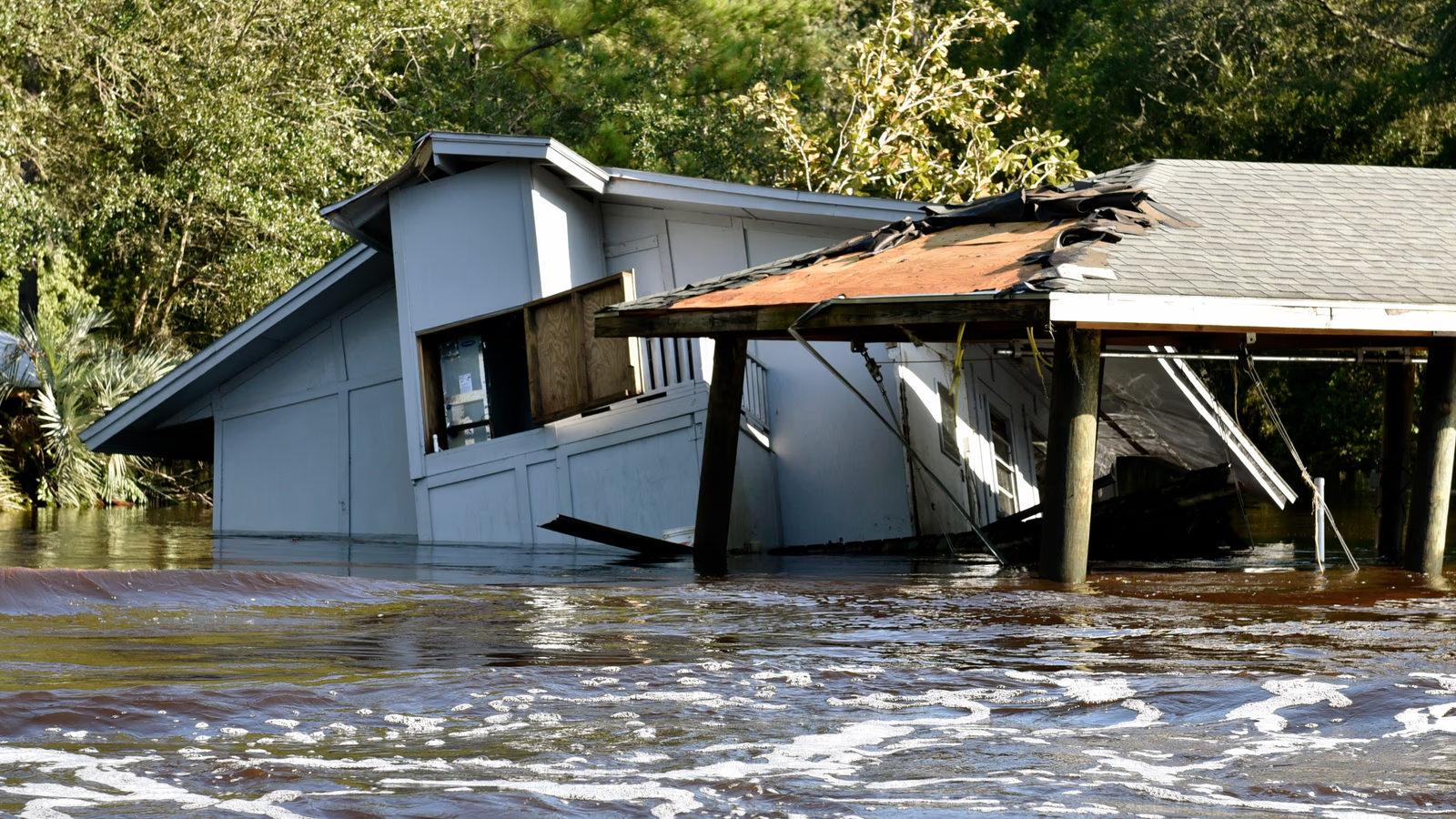
Storm surge and flooding add surface water that overwhelms the system from above while the rising water table attacks from below. This hydraulic sandwich can cause raw sewage to surface in yards, back up into homes, and contaminate floodwaters with dangerous pathogens. After Hurricane Irma in 2017, thousands of Miami-Dade septic systems experienced failures, backups, or contamination events that took weeks to resolve.