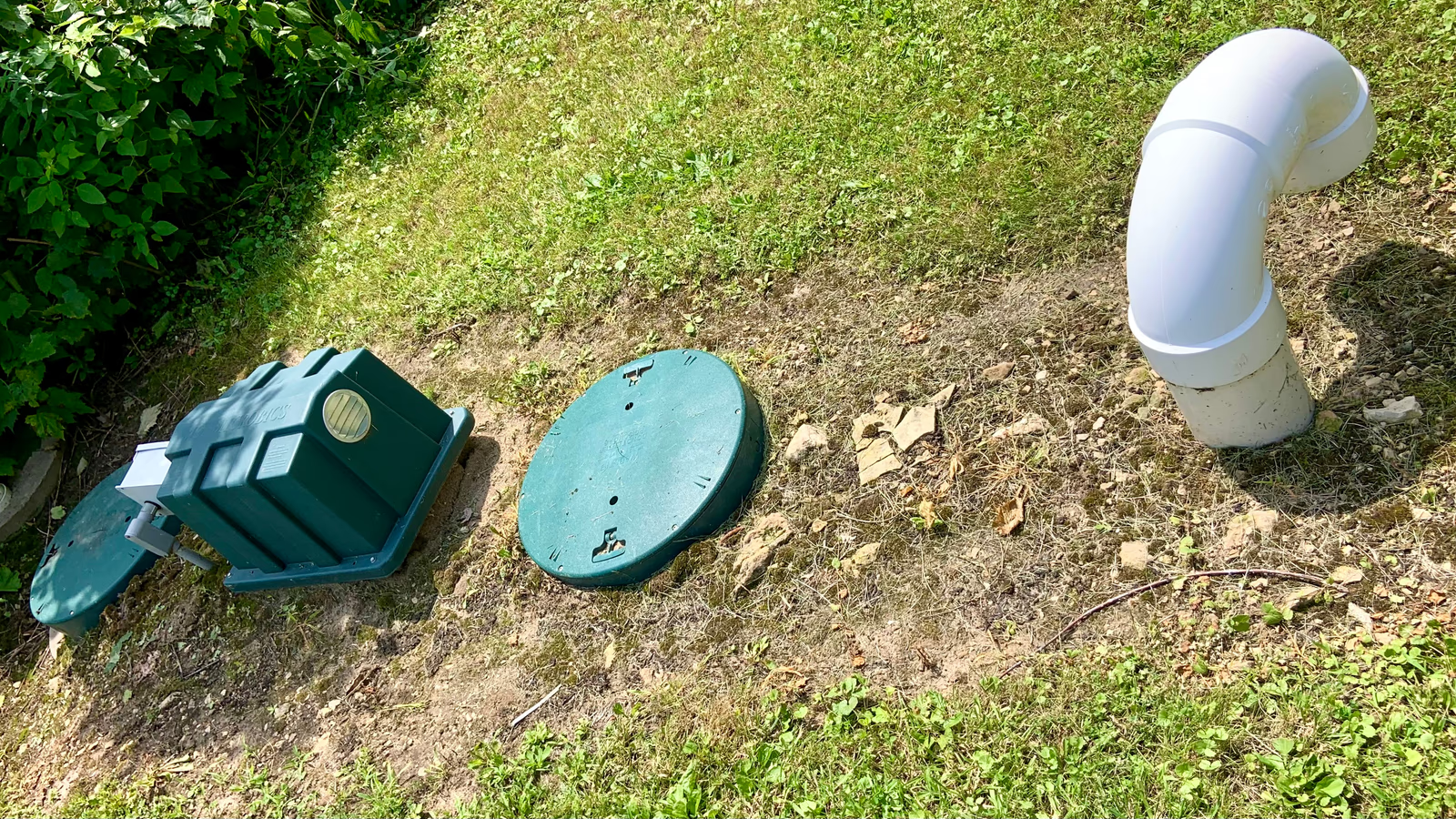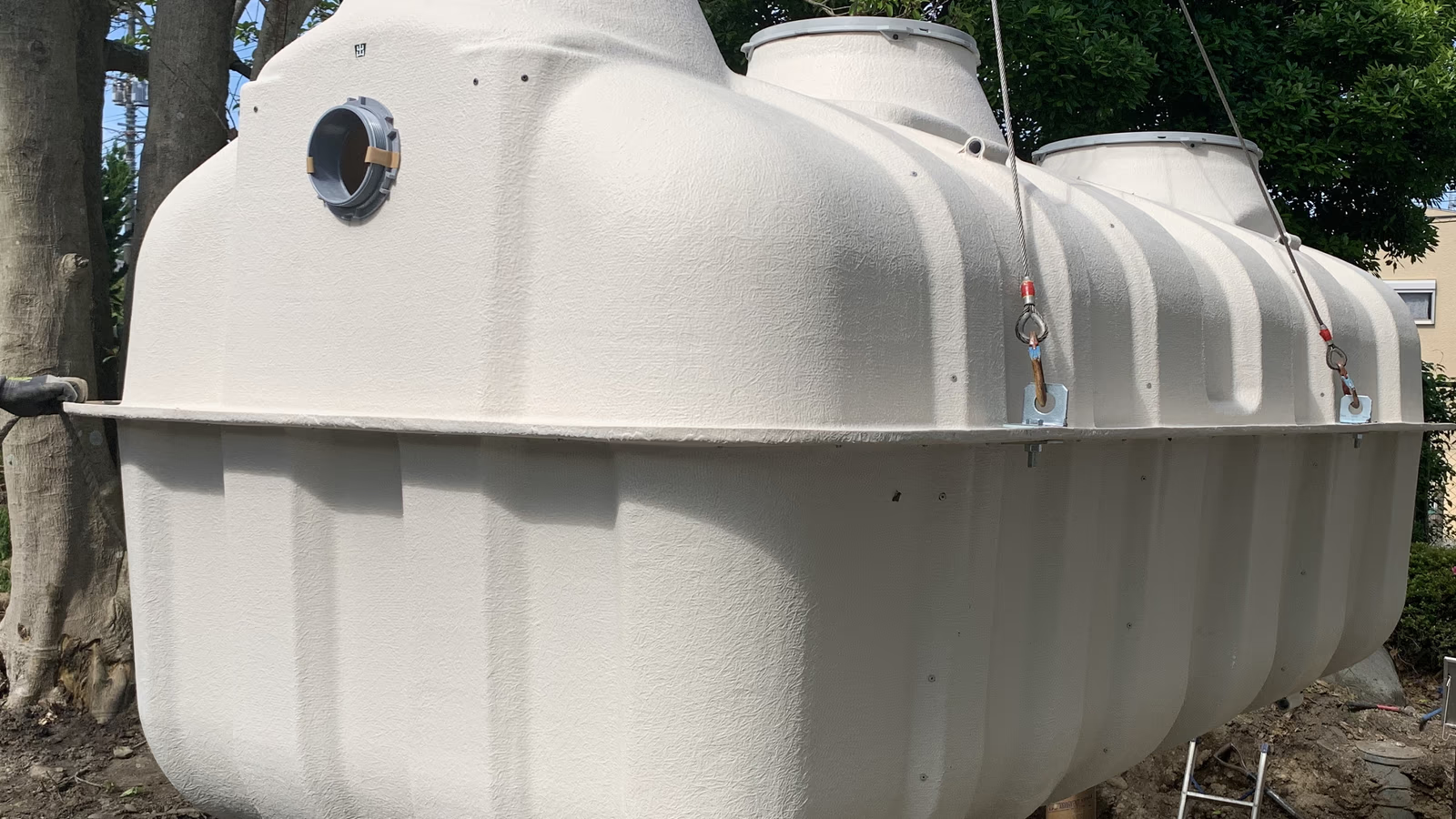
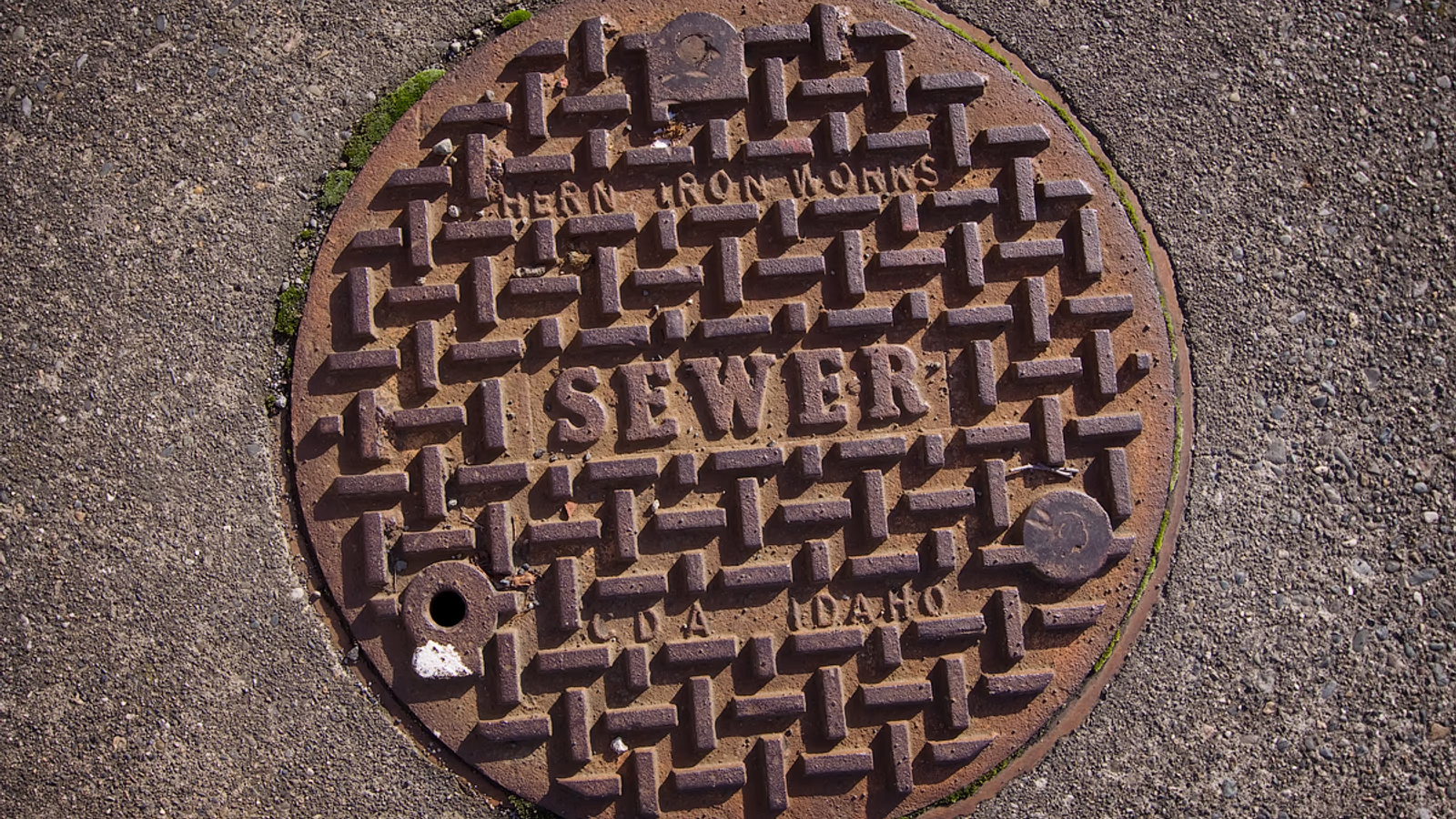
For homeowners and developers across Miami-Dade County, choosing between a septic system and a municipal sewer connection is one of the most consequential decisions you will face. The choice affects your monthly expenses, property value, environmental footprint, and even which permits you can pull for future additions. In a region defined by porous limestone bedrock, a water table that sits mere feet below grade, and proximity to sensitive ecosystems like Biscayne Bay, getting this decision right is not optional.
Much of unincorporated Miami-Dade — including Redland, The Hammocks, and parts of Homestead — still relies heavily on individual septic systems. Meanwhile, areas closer to the urban core are connected to Miami-Dade Water and Sewer Department (WASD) infrastructure. Whether you are buying an existing home, building new construction, or considering a sewer-connection mandate from the county, understanding both systems in depth will save you thousands of dollars and years of headaches.
This guide walks through how each system works, what they cost to install and maintain in South Florida, how local geology and regulations shape your options, and how to evaluate the best path for your specific property.