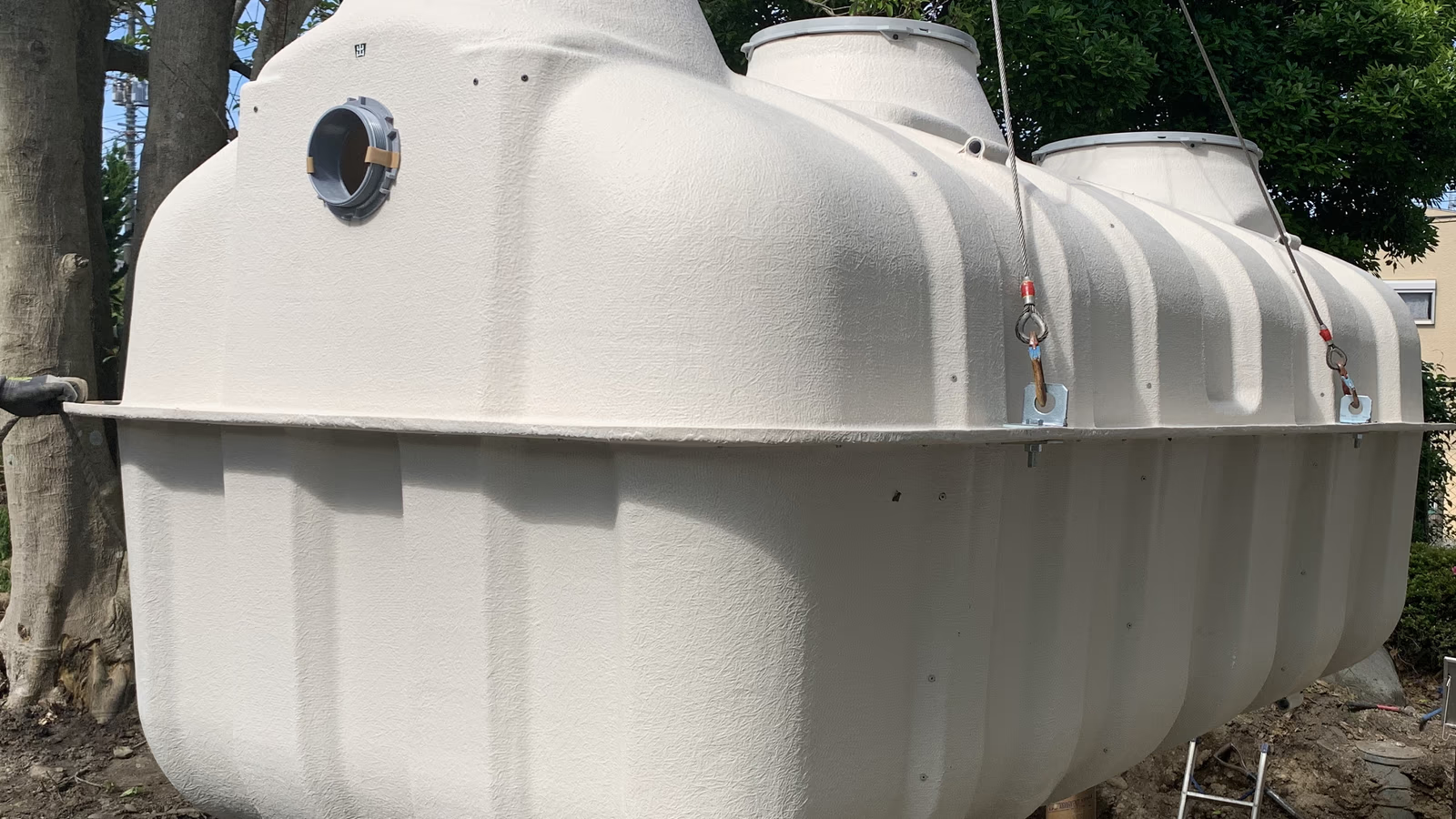
An alternative septic system is any onsite wastewater treatment technology that goes beyond the conventional gravity-fed septic tank and drain field design. In Florida, the term encompasses aerobic treatment units (ATUs), performance-based treatment systems (PBTS), drip irrigation systems, mound systems, and advanced nitrogen-reducing configurations. These systems are engineered to achieve higher levels of treatment than a standard septic tank, making them suitable for sites where conventional systems cannot meet environmental or regulatory standards.
In Miami-Dade County, alternative systems are increasingly required rather than optional. The combination of a shallow water table, porous limestone geology, and proximity to environmentally sensitive waters like Biscayne Bay and the Everglades has led regulators to restrict conventional system installations in many areas. The Florida Department of Health, which oversees onsite sewage treatment and disposal systems (OSTDS), maintains a list of approved alternative technologies and sets the performance criteria each must meet.
For homeowners, the shift to alternative systems represents both a financial burden and an environmental benefit. These systems cost more to install and maintain, but they significantly reduce the nutrient and pathogen loading that degrades South Florida's waterways. Understanding the options, costs, and obligations is essential for making an informed decision.